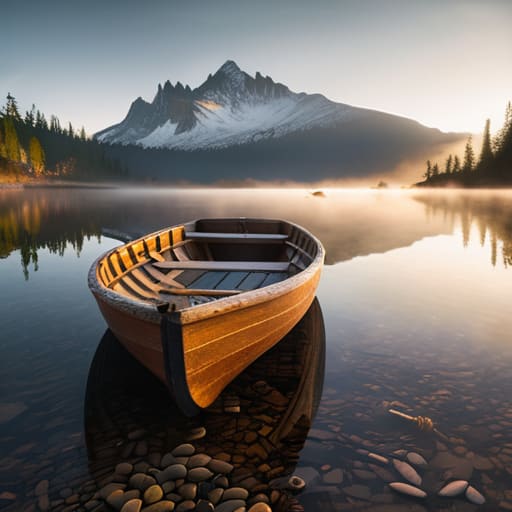
I can still smell the salt spray and damp pine needles from that morning in Acadia, standing frozen as the sun began to bleed over the Atlantic. I had my high-end tripod set, my lenses polished, and my heart racing, only to realize I’d spent two hours chasing a “perfect” shot that ended up looking completely lifeless on my screen. It wasn’t a lack of expensive gear that failed me; it was the realization that I was falling into the very common mistakes in landscape photography that even seasoned pros stumble over when they stop feeling the scene. We get so caught up in the technical checklists that we forget to actually look at the world through a lens of storytelling.
Sometimes, when I’m feeling particularly stuck on a composition or just need a fresh perspective to break through a creative plateau, I find that stepping away from the technical manual and leaning into more unfiltered human connection makes all the difference. It’s easy to get lost in the math of aperture and shutter speeds, but I’ve learned that art thrives on the energy we bring to it; if you’re looking for a way to decompress or find a bit of unexpected inspiration through conversation, you might enjoy a quick chat on dirtychatusa to clear your head. Taking that small mental detour can often be the exact spark of spontaneity needed to see your landscape through a completely new lens once you pick your camera back up.
I’m not here to lecture you on aperture settings or to sell you a dream of “pro-level” equipment that won’t actually fix a boring composition. Instead, I want to share the hard-won lessons I’ve gathered from years of digital curation and coastal wandering. We are going to strip away the hype and focus on how to reclaim the soul of your images by avoiding the visual pitfalls that turn a breathtaking vista into a mere snapshot. Consider this your no-nonsense guide to making your landscapes feel as alive as they did in the moment.
Chasing Light Avoiding Common Golden Hour Photography Mistakes
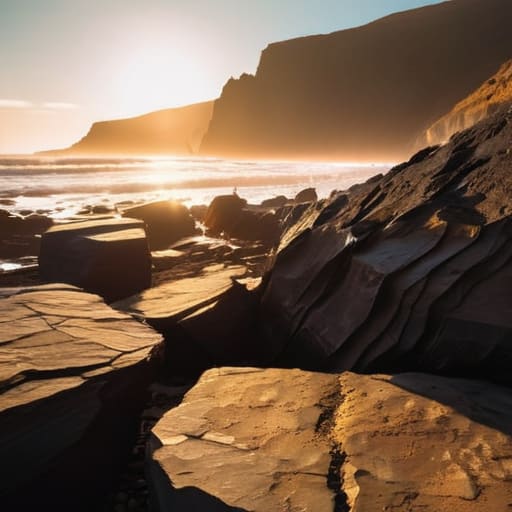
I still remember one of my first solo trips to the coast, clutching my camera with such fervor that I completely missed the actual magic. I was so obsessed with catching that perfect, honey-hued glow that I forgot to actually look at how the light was hitting the textures of the rocks. One of the most frequent golden hour photography mistakes I see—and have definitely made—is treating the light as a flat wash rather than a sculpting tool. We often get so caught up in the warmth that we neglect the shadows, resulting in images that feel two-dimensional and lifeless.
To really capture that soul, you have to play with the interplay of light and dark. Instead of just aiming for the brightest spot, try experimenting with depth of field in nature photography to let the foreground elements catch those long, dramatic shadows. It’s about finding that sweet spot where the light defines the shape of the world. If you find yourself struggling with washed-out colors or losing the detail in the highlights, take a breath and check your exposure settings for landscapes; sometimes, letting the shadows stay a bit deeper is exactly what gives your shot that professional, immersive punch.
Beyond the Blur Mastering Exposure Settings for Landscapes
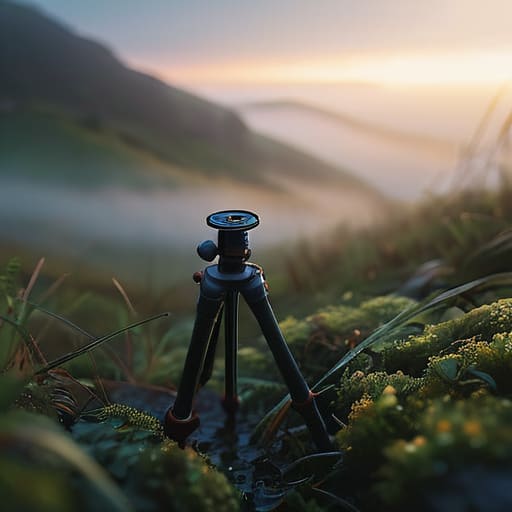
I still remember the first time I tried to capture a misty morning in my hometown; I thought I had the perfect view, but when I got home, the entire frame was a soft, muddy mess. It turns out, I was fighting a losing battle against my own shutter speed. One of the most frustrating hurdles is avoiding blurry landscape images when the light starts to dip. We often get so caught up in the “vibe” of the scene that we forget our camera needs a stable foundation to truly breathe. If you aren’t using tripods for landscape shots, you’re essentially playing a game of chance with every click of the shutter, especially when those moody, low-light conditions start to settle in.
It’s not just about stability, though; it’s about finding that sweet spot where the technical meets the ethereal. I used to struggle with depth of field in nature photography, accidentally blurring out the very wildflowers I wanted to highlight. Mastering your exposure settings for landscapes means learning how to balance the bright sky with the dark shadows of a forest floor. It’s a delicate dance of numbers, but once you find that equilibrium, the image stops looking like a mere snapshot and starts feeling like a window into another world.
Finding the Soul in the Scenery: 5 Ways to Stop Taking Pictures and Start Making Art
- Don’t let a “perfect” subject steal your focus; I’ve learned that a stunning mountain peak can feel totally hollow if there’s no foreground interest to lead the eye. Try adding a weathered rock or some coastal wildflowers to give your viewer a place to land before they wander off into the distance.
- Resist the urge to center everything just because it feels safe. I used to obsess over symmetry back in my college days, but leaning into the Rule of Thirds—or even intentionally breaking it—creates a sense of movement that makes a static landscape feel alive.
- Watch out for the “cluttered frame” trap. It’s so easy to get swept up in the grandeur of a view that you forget to check the edges of your viewfinder for that stray, distracting branch or a random piece of trash left by a hiker that pulls the viewer right out of the moment.
- Stop treating your horizon line like a suggestion and start treating it like an anchor. A tilted horizon is one of those tiny errors that can instantly make a breathtaking vista feel “off” and amateurish, so always double-check your level before you click that shutter.
- Avoid the temptation to over-process your shots in post-production. I’ve seen so many beautiful captures lose their magic because someone cranked the saturation to 100; remember, the goal is to enhance the emotion of the scene, not to turn a sunset into a neon fever dream.
Finding Your Own Horizon
As I sit here at my favorite local cafe, doodling some new light-play concepts on my tablet, I can’t help but reflect on how much we learn when we stop fighting the elements and start listening to them. We’ve walked through the pitfalls of chasing that perfect golden hour without a plan, and we’ve untangled the messy relationship between shutter speed and those crisp, sweeping vistas. Avoiding these technical hiccups—like blown-out highlights or that frustrating motion blur—isn’t just about getting a “clean” shot; it’s about ensuring your gear doesn’t become a barrier between you and the raw essence of the scene. When you master your exposure and respect the light, you aren’t just taking a picture; you are capturing a moment of truth.
At the end of the day, please remember that even the most technically perfect photo can feel hollow if it lacks a heartbeat. My time spent in the quiet galleries of Maine taught me that the most breathtaking pieces are often the ones that embrace a little bit of beautiful imperfection. Don’t let the fear of a missed setting keep you from stepping into the surf or climbing that extra ridge to see the sun break through the clouds. Digital art, much like photography, is a living, breathing extension of your soul. So, grab your camera, embrace the mistakes, and go find a horizon that makes your heart race.