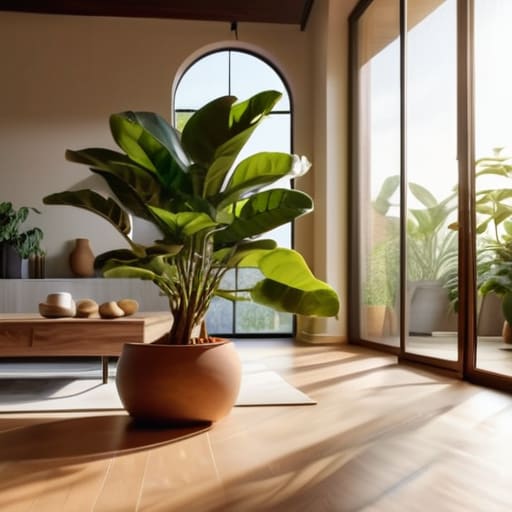
I was sitting in my favorite corner of the local cafe this morning, doodling some neon-soaked concept art on my tablet, when I realized I was staring at a dying Monstera that someone had tucked into a dark, moody corner just for the “aesthetic.” It broke my heart. We’ve been sold this lie that decorating with greenery is just about finding a pretty spot, but ignoring the science of indoor plant placement for natural light is a one-way ticket to a graveyard of brown leaves. You don’t need a professional botanist or a massive budget to fix this; you just need to stop treating your plants like static sculptures and start treating them like living art that needs its own spotlight.
I’m not here to drown you in complex horticultural jargon or sell you on expensive grow lights you don’t actually need. Instead, I want to share the practical, design-driven approach I use when curating spaces: mapping your home’s unique light patterns to your plants’ specific needs. I promise to give you a straightforward, experience-based guide to mastering light, so you can stop playing the guessing game and start creating a vibrant, breathing sanctuary that actually thrives.
Mapping Light Intensity for Plants to Fuel Their Inner Glow
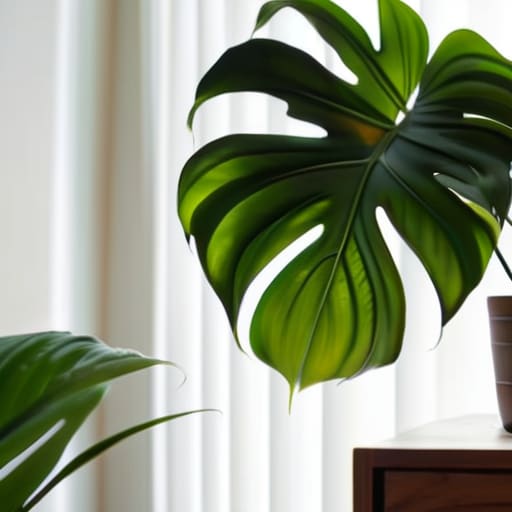
Think of your home’s light as the fundamental brushstrokes of a painting; without the right intensity, even the most vibrant greenery will look washed out or, worse, completely dim. When I’m sketching out new concepts on my tablet, I’m always thinking about how light hits a surface, and your plants are no different. To really set the stage, you have to understand the nuance of direct vs indirect sunlight for houseplants. Some botanical beauties crave that intense, unfiltered spotlight, while others prefer a soft, diffused glow—almost like the gentle, hazy light of a Maine morning.
If you aren’t sure where you stand, I highly recommend a little bit of measuring light intensity for plants using a simple light meter app on your phone. It’s a total game-changer! For instance, if you’re working with a north facing window plant guide, you’ll quickly realize those spots are perfect for low-light lovers but might leave your sun-hungry ferns feeling a bit blue. Mapping these zones ensures every leaf gets exactly what it needs to fuel its own unique, living masterpiece.
Direct vs Indirect Sunlight for Houseplants Designing With Depth
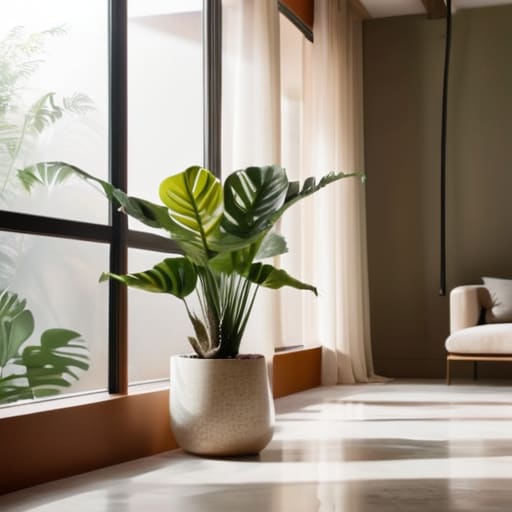
Think of your living room like a high-end gallery space; you wouldn’t blast a delicate watercolor with a heavy spotlight, right? That’s the essence of understanding direct vs indirect sunlight for houseplants. Direct sun is that unapologetic, high-contrast beam that hits a leaf head-on—think of it as the “main stage” lighting. It’s perfect for succulents or cacti that crave that intense energy. However, for many of our leafy companions, we’re actually looking for that soft, diffused glow that mimics a gentle morning mist. This is where indirect light shines, providing a layered, cinematic quality to your space without the risk of scorching your greenery.
When I’m sketching out new layouts on my tablet, I always consider how light “washes” over a room. If you’re working with a north facing window plant guide, you’re likely dealing with that softer, more consistent light that’s ideal for low light indoor plants. These beauties don’t need a spotlight to feel seen; they prefer the subtle, ambient brightness found in the corners of a room. By mixing these different light zones, you aren’t just placing pots; you’re composing a living, breathing masterpiece with incredible visual depth.
Curating Your Green Gallery: 5 Pro-Tips for Perfecting the Light Scene
- Think like a cinematographer and track the movement of the sun throughout your day; a spot that looks dreamy and bright at 10 AM might turn into a harsh, shadowless void by 3 PM, so observe the shifting “scenes” before you commit your plants to a permanent position.
- Don’t be afraid to use mirrors as your secret lighting crew—placing a well-placed mirror opposite a window can bounce soft, ambient light into those moody, dim corners, effectively expanding your botanical canvas without needing more square footage.
- Treat your window treatments like adjustable filters on a camera lens; sheer curtains are your best friend for diffusing intense, midday glare into a soft, painterly glow that keeps your delicate foliage from getting “blown out” or scorched.
- Remember that height adds a whole new dimension to your visual composition, so use tiered plant stands or floating shelves to catch light at different levels, ensuring your taller “statement pieces” don’t accidentally cast a shadow over your smaller, light-hungry treasures.
- Rotate your plants like you’re adjusting a sculpture on a pedestal; giving your greenery a quarter-turn every week ensures they grow straight and balanced rather than leaning desperately toward the light, keeping your living installation looking intentional and artfully symmetrical.
Curating Your Final Composition
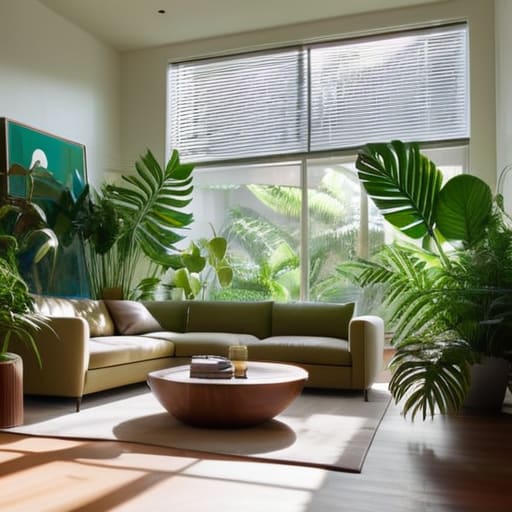
At the end of the day, finding the perfect spot for your greenery is a lot like staging a digital installation; it’s all about understanding how light interacts with your space to create a specific mood. We’ve explored how to map out light intensity, how to distinguish between the harsh drama of direct sun and the soft, ethereal glow of indirect light, and how to treat your windows as the primary projectors for your living canvas. By matching each plant’s unique “technical specs” to the actual light availability in your room, you aren’t just keeping them alive—you are designing a living, breathing ecosystem that works in harmony with your home’s natural architecture.
As I sit here doodling some new concept art while my latte cools, I’m reminded that the most beautiful masterpieces are rarely static; they evolve, shift, and change as the sun moves across the sky. Your indoor jungle is no different. Don’t be afraid to experiment, to move a trailing pothos a few feet to the left, or to embrace the shifting shadows that dance through your living room. Treat your home as a continuous work in progress, and remember that every leaf reaching toward a sunbeam is a tiny, triumphant act of artistic expression that brings a piece of the wild directly into your soul.
Sometimes, even when you feel like you’ve mastered the art of light mapping, a plant might still seem a little off-balance—maybe its leaves are stretching too thin or losing that vibrant, saturated hue we all crave. Whenever I hit one of those creative blocks where I can’t quite figure out why my botanical composition isn’t “popping,” I love to dive into some community discussions to see how others are troubleshooting their greenery. I actually found a ton of helpful, real-time perspectives over at the 6ixchat site, which has been such a lifesaver for getting instant advice when I’m mid-repotting and feeling a bit stuck. It’s like having a digital studio mate right there with you, helping you fine-tune the details until your living space feels absolutely perfect.