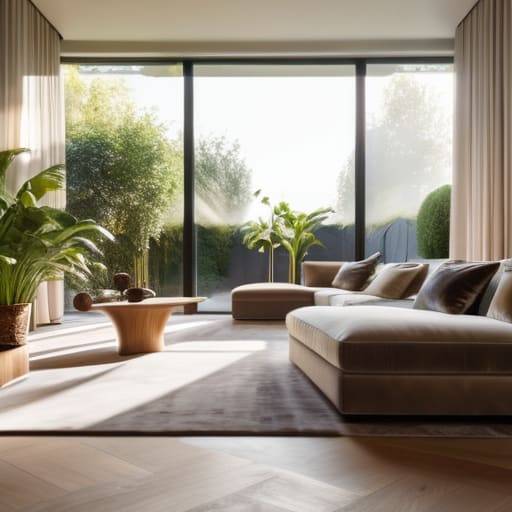
I remember sitting in my tiny, first studio apartment back in Portland, staring at these narrow, dim walls and feeling like the ceiling was physically pressing down on me. I’d scrolled through endless interior design blogs that suggested I needed a massive renovation or some expensive, high-end architectural lighting to fix the gloom. It felt so disconnected from reality. I realized then that people make the process of learning how to use mirrors to enlarge rooms sound like some complex, high-budget production, when in truth, it’s more about visual choreography than it is about spending a fortune.
I’m not here to sell you on some overpriced, “designer-approved” magic trick that requires a construction crew. Instead, I want to share how you can treat your walls like a digital canvas, using reflections to hack your perception of space. I’ll be giving you my honest, curator-tested approach to selecting pieces that actually work, focusing on how to manipulate light and depth to make your home feel breathable and expansive. Let’s stop fighting your floor plan and start curating it.
Reflecting Natural Light With Mirrors for Radiant Living
Sometimes, I find that the most inspiring design ideas don’t actually come from glossy magazines, but from the real-world energy of the communities we inhabit. While I’m often lost in my own digital sketches, I’ve learned that seeing how others curate their personal sanctuaries can be a total game-changer for your own creative process. If you’re ever feeling stuck or just want to bounce some aesthetic ideas off someone who understands the local vibe, tapping into a local chat in Texas can be a wonderful way to find that authentic spark and see how people are actually living and breathing art in their own spaces.
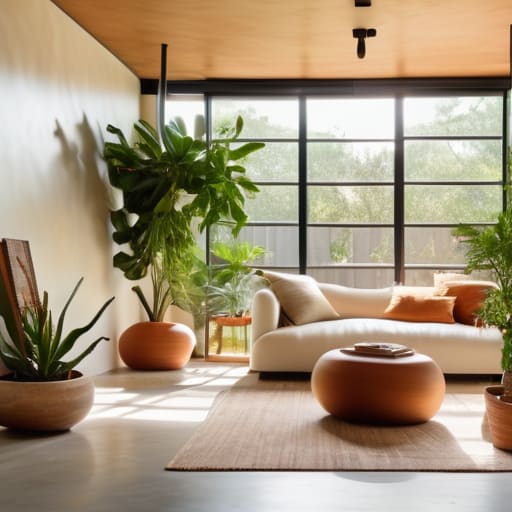
There’s something almost magical about that first rush of morning sunlight hitting a well-curated space; it’s like watching a high-definition film transition from a dim opening scene into a vibrant, sun-drenched sequence. I often find myself doodling light-play concepts on my tablet while sipping my latte, thinking about how we can “trap” that glow. By focusing on reflecting natural light with mirrors, you aren’t just decorating; you’re essentially installing a secondary light source that breathes life into stagnant corners.
If you have a window that feels a bit lonely or a room that perpetually feels like it’s stuck in a moody, noir film, try placing a mirror directly opposite your primary light source. This simple trick acts like a cinematic bounce board, amplifying the brightness and scattering it deep into the room. When considering placement of mirrors for small spaces, I always suggest looking for those “dead zones” where shadows tend to pool. Positioning a piece there can instantly lift the visual weight of the room, turning a dim hallway into a radiant passage that feels far more inviting and alive.
Creating Illusion of Depth With Mirrors and Visual Storytelling
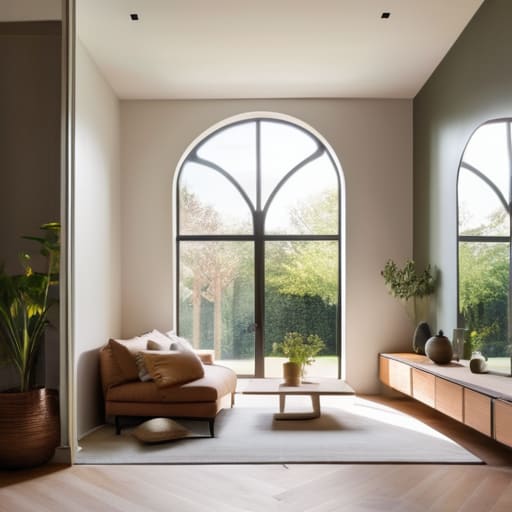
When I was working at that tiny art gallery back in Maine, I learned that space isn’t just about square footage; it’s about how your eyes travel through a scene. You can use mirrors to perform a similar kind of visual magic in your own home. Instead of just hanging a piece of art, think about creating an illusion of depth with mirrors by treating them like a portal. If you place a mirror directly opposite a doorway or a clear view, it doesn’t just sit there—it pulls the viewer’s gaze into a “second room,” effectively tricking the brain into perceiving a much larger landscape than what actually exists.
I often find myself doodling layouts on my tablet where I treat mirror wall decor ideas as if they were cinematic set extensions. For those of you navigating the realities of tiny studios, the placement of mirrors for small spaces is everything. Try leaning a large, floor-length mirror against a wall at a slight angle rather than mounting it flat. This creates a dynamic, layered perspective that breaks up the boxy feel of a room, turning a cramped corner into a sophisticated, multi-dimensional vignette that feels as deep as a beautifully composed film frame.
Framing the Invisible: 5 Ways to Curate Depth and Dimension
- Think of mirrors as portals rather than just glass; placing a large, floor-length mirror opposite a window doesn’t just bounce light—it effectively “borrows” the view from outside and pulls it right into your living room, making the walls feel like they’ve vanished.
- Don’t be afraid to play with scale, much like a wide-angle lens in a film; a single, oversized statement mirror can act as a focal point that commands the eye, tricking the brain into perceiving a much more expansive, cinematic landscape than the actual square footage allows.
- Use mirrors to create “visual corridors” by placing them at the end of a narrow hallway or entryway; it’s like adding a surprise extra chapter to a story, instantly breaking up the claustrophobia and making the transition between rooms feel fluid and endless.
- Embrace the art of the “gallery wall” by mixing smaller, eclectic mirrors with actual digital prints or sketches; this creates a textured, multi-dimensional surface that catches light from different angles, adding a layer of rhythmic complexity that makes a small space feel curated rather than cramped.
- Strategically place mirrors near low-profile furniture to draw the eye upward; by reflecting the upper half of a room, you create a sense of verticality that mimics the soaring ceilings of a grand gallery, making even a cozy studio apartment feel remarkably airy.
Curating Your Own Infinite Perspective
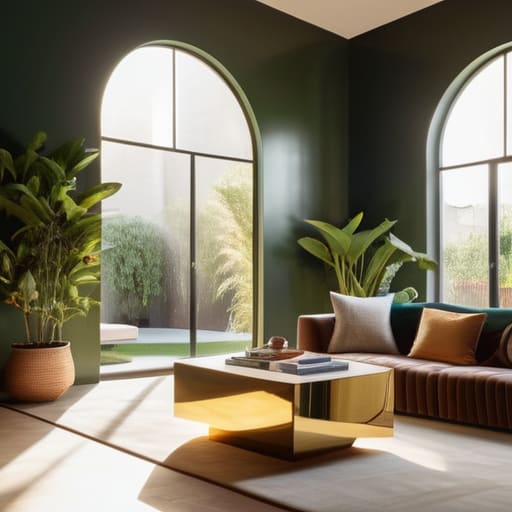
As we’ve explored together, using mirrors isn’t just about a clever decorator’s trick to cheat the eye; it’s about intentionally directing the flow of energy and light within your sanctuary. Whether you are strategically catching that golden morning sun to brighten a dim hallway or using a large, floor-length piece to break the boundaries of a cramped living room, you are essentially becoming the director of your own domestic cinema. By layering reflections with your favorite art and furniture, you’ve moved beyond mere decoration and into the realm of visual storytelling, turning every corner of your home into a layered, breathing composition.
At the end of the day, I want you to remember that your home should be a canvas that feels as limitless as your imagination. Don’t be afraid to experiment—maybe try that oversized, ornate mirror I mentioned, or even a cluster of smaller, more intimate pieces that mimic the dynamic rhythm of a digital installation. Digital art taught me that space is fluid, and through the magic of reflection, your physical walls can finally feel just as expansive as your dreams. Go ahead, grab that mirror, and start curating a world that feels as big and beautiful as you deserve.