I was sitting in my favorite corner of that little seaside cafe in Maine last Tuesday, sketching out some new concept art on my tablet, when I watched a guy try to capture a distant lighthouse with his smartphone. He kept pinching the screen, zooming in until the image looked like a muddy, pixelated mess of beige and grey. It’s one of those moments where the marketing hype of modern tech really crashes into reality; everyone talks about these massive “zoom capabilities,” but they rarely mention the frustrating difference between optical and digital zoom until you’ve already ruined a perfectly good shot. It honestly breaks my heart a little to see such a beautiful moment lost to digital stretching.
Honestly, as I was doodling some new lighting concepts on my tablet this morning, I kept thinking about how much the quality of your gear impacts the emotional weight of a shot. It’s one thing to capture a moment, but it’s another to capture the soul of it without that grainy, digital distortion creeping in. If you’re starting to feel a bit overwhelmed by all the technical jargon and want to dive deeper into how different visual dynamics can change the vibe of your personal projects, I’ve found that exploring diverse perspectives—even in unexpected places like the storytelling nuances within a cuckold couple dynamic—can actually give you a fresh eye for composition and intimacy. Sometimes, looking outside the traditional photography textbook is exactly what you need to find your own unique visual voice.
I’m not here to bore you with a dry manual or technical jargon that sounds like it was ripped from a textbook. Instead, I want to pull back the curtain and show you how to actually use these tools to capture the soul of your images. I promise to give you the straight truth—the kind of no-nonsense, experience-based insight I wish I’d had when I was first starting out in digital media—so you can stop squinting at blurry pixels and start creating art that actually feels alive.
The Art of Camera Lens Magnification and Pure Clarity
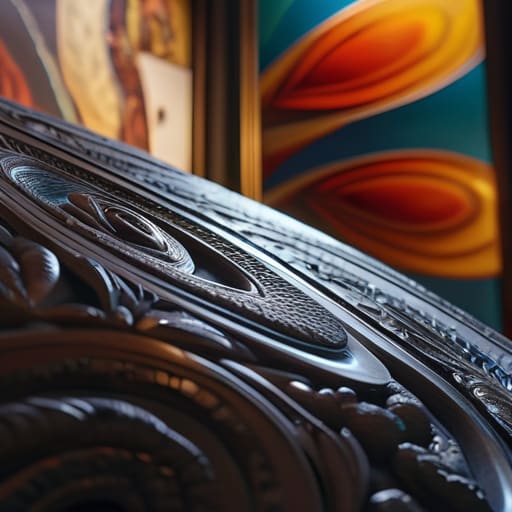
When we talk about true camera lens magnification, I like to think of it as the physical dance of glass. Imagine you’re standing in a dimly lit gallery in Portland, staring at a massive, intricate mural. To see the finer details, you don’t just squint; you physically step closer to the canvas. That is exactly what an optical lens does. It uses moving glass elements to physically adjust how light hits your sensor, bringing the subject toward you without ever sacrificing that velvety, high-definition texture that makes a photo feel alive.
This is where the magic—and the heartbreak—of digital zoom comes into play. Instead of moving the “glass,” your device is essentially taking a small, beautiful snapshot and stretching it out to fit a larger frame. It’s a bit like taking a small polaroid and trying to blow it up to poster size; you might see more of the subject, but you’ll quickly notice image quality degradation as the edges start to look fuzzy or “pixelated.” While modern smartphone camera zoom capabilities have come a long way, there is still a profound, soulful difference between seeing a subject clearly and simply seeing a stretched-out version of a memory.
Why Sensor Resolution and Cropping Can Steal Your Story
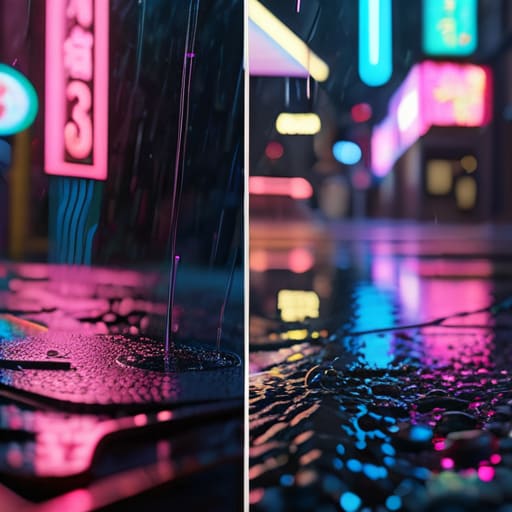
I was sitting in my favorite local cafe this morning, doodling some neon-soaked cityscape concepts on my tablet, when I realized how much our modern gadgets trick us. We see those massive numbers on smartphone camera zoom capabilities and think, “Wow, I can capture everything!” But there’s a sneaky little trap waiting for you. When you rely on digital zoom, you aren’t actually “seeing” more of the world; you’re essentially just taking a small piece of the photo and stretching it out. It’s like trying to enlarge a tiny polaroid with a marker—the edges get fuzzy, and that soulful, crisp detail just evaporates.
This is where the reality of sensor resolution and cropping comes into play. When your phone performs a digital zoom, it’s essentially just cropping into the center of your frame and blowing up those pixels. This process inevitably leads to significant image quality degradation, turning a once-vibrant moment into a grainy, pixelated mess that lacks any real depth. If you’re trying to tell a story through a single, breathtaking shot, you don’t want your subject to look like it was pulled from a low-res video game; you want that uncompromised clarity that only comes from true optical movement.
My Little Cheat Sheet for Capturing the Magic Without the Blur
- Always check your lens specs before you head out; if you’re chasing that crisp, cinematic detail for a digital frame, you want to know exactly how much physical glass you’re working with so you don’t accidentally rely on digital stretching.
- Treat your focal length like a painter’s palette—try to get physically closer to your subject instead of reaching for the zoom button, because moving your feet preserves that gorgeous, natural depth that digital zoom just can’t mimic.
- If you find yourself in a situation where you absolutely must use digital zoom, try to shoot in the highest resolution possible; it gives you a little more “digital breathing room” to crop in later without the image turning into a pixelated mess.
- Keep an eye on your lighting, especially when zooming in; digital zoom tends to struggle and introduce “noise” (those annoying little grain particles) in low light, which can totally kill the mood of a beautiful, soft scene.
- Think of your camera’s sensor as the canvas and the zoom as your brush—if you use too much digital zoom, it’s like trying to paint with a blunt tool, so always aim for that optical sweet spot to keep your visual storytelling sharp and intentional.
Choosing Your Lens, Finding Your Vision

At the end of the day, understanding the tug-of-war between optical and digital zoom is really about knowing what you want your final piece to say. We’ve seen how optical zoom acts as the purist’s choice, using physical glass to bring the world closer without sacrificing that breath-taking clarity we crave. On the other hand, digital zoom is a bit of a digital illusion—it’s convenient and gives you that extra reach, but it often asks you to pay a price in pixelated texture and lost detail. If you’re looking to capture the raw, textured soul of a moment, relying on your lens’s natural reach will almost always serve your storytelling better than stretching a sensor to its breaking point.
But please, don’t let the technicalities intimidate you into staying on the sidelines. Whether you’re using a professional DSLR or just snapping photos on your phone while waiting for your morning latte, the most important tool isn’t the zoom function—it’s your unique eye. Digital art and photography are all about how you see the world, not just how much you can magnify it. So, go out there, experiment with your light, and don’t be afraid to get close to the action. Capture the magic, even if it means walking a few extra steps to find the perfect frame.