
Did you know 54% of photographers say telling stories with images boosts audience engagement? This shows how powerful photo storytelling is. It grabs attention and stirs emotions. Every photo has a story, from simple moments to complex narratives.
I’ve learned that mixing technical skills with a deep understanding of visual storytelling makes my work more appealing. It also helps me connect deeply with my subjects. Photo storytelling turns brief moments into powerful stories that touch the heart. Let’s dive into the key techniques and emotional effects of mastering photo storytelling.
Key Takeaways
- Understanding client interests helps build deeper connections in storytelling photography.
- Taking 10-15 minutes to chat before a photo session can greatly improve storytelling.
- Using words like “love” and “connection” can guide the theme of a photo session.
- Combining different types of shots is key to telling a complete story.
- Natural, candid moments often create the most emotionally powerful images.
- Lighting and the setting are vital in shaping the emotional story of a photo.
The Importance of Photo Storytelling
Photo storytelling is key to connecting with our world. A single photo can tell a story as deep as a written piece or a spoken tale. By mastering visual narrative, we can make images that tell stories that touch our hearts.
Understanding Visual Narrative
Visual narrative is about weaving moments into a single story. Each photo adds to a bigger tale, letting viewers feel the story’s context and emotions. For example, documentary photography captures big events, people, and issues, making us think and feel.
Lewis Hine’s “Cotton Mill Girl” is a great example. It shows social problems and urges us to act.
Emotional Impact of Imagery
Imagery’s emotional power goes beyond just looking. A great photo can deeply move us, sparking compassion and action. Yousuf Karsh’s famous Churchill photo changed how we see leaders in media.
Dorothea Lange’s “Migrant Mother” also shows imagery’s power. It moved people to help during the Great Depression.
Photo essays make us feel and connect on a personal level. National Geographic’s Photo Ark project, for example, shows animals in captivity. It encourages us to care about conservation. These stories show how important narrative is in photography, inspiring us to make a difference.
Techniques for Mastering Photo Storytelling
Mastering photo storytelling requires a mix of key techniques. These techniques improve both the look and the story behind the images. Getting to know your subjects deeply affects the stories you tell, making the images more powerful.
Understanding and capturing the emotions in your photos creates a bond with your audience. This bond pulls them into the story you’re telling.
Getting to Know Your Subjects
Spending time with your subjects gives you a deep understanding of their lives and feelings. This connection leads to real and touching images. Capturing moments like eye contact or body language shows the true heart of your story.
Connecting with people adds a personal touch to your storytelling. This makes your photos more impactful and relatable.
Choosing the Right Theme
The theme is the base of your visual story. Picking a theme, like love, struggle, or growth, adds depth to your tale. This choice affects the mood and feel of your photos.
A consistent theme ties your photos together. This makes your story more powerful from start to finish.
Composition and Lighting
Composition is key in storytelling. Using the Rule of Thirds creates dynamic images. Placing subjects off-center adds movement and interest.
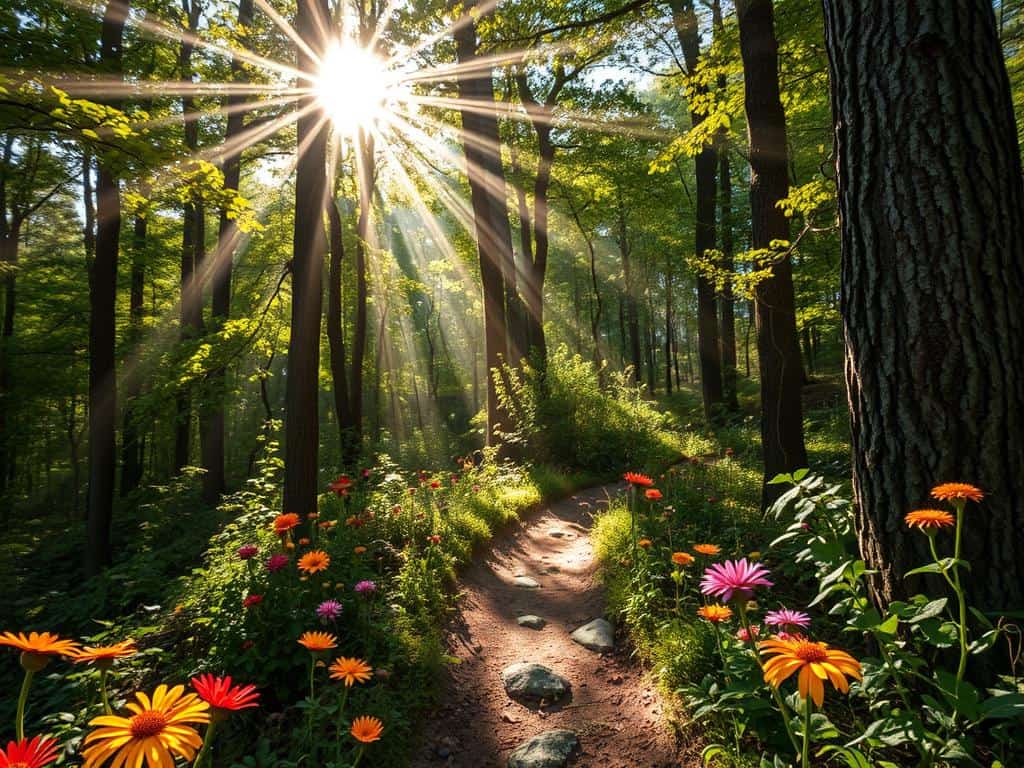
Lighting changes the mood of your photos. Golden hour shots feel warm, while foggy scenes are mysterious. Knowing how to use foreground and leading lines guides the viewer’s eye, improving landscape photos.
Exploring Genres in Photo Storytelling
Photo storytelling covers many genres, each with its own style and stories. Understanding these genres helps us connect deeply with the subjects and their stories. We’ll look closely at two main types: portrait photography and documentary photography.
Portrait Photography
Portrait photography is all about capturing a person’s essence. It focuses on personal stories, often showing subjects in their own settings. Candid shots reveal real feelings, creating a true bond between the viewer and the subject.
The power of portrait photography lies in its ability to share a story. It shows how important it is to connect and build rapport. The best photos come when subjects are themselves, letting their true selves shine.
Documentary Photography
Documentary photography is all about telling real-life stories through images. It comments on current events and social issues. Each photo aims to move, inspire, and bring about change.
These images tell powerful stories, focusing on real human experiences. Through my camera, I’ve seen how these stories can engage and start important conversations.
Conclusion
Reflecting on mastering photo storytelling, I see how images can turn simple moments into powerful stories. The saying “A picture is worth a thousand words” is true. Yet, it shows that a single photo might not tell the whole story. By looking at sequences or photo albums, we see how each picture adds to the story.
For example, artists like Garth Brooks show the importance of an album’s unity. They prove that context is key in visual storytelling.
The way we judge people based on quick photos is a problem. It’s like the “sound bite mentality,” where we make quick judgments without looking deeper. This makes me think about my photography more. I want to share more than just a moment.
I’ve learned that using visual elements well makes my presentations memorable and engaging. Visuals can make people remember things up to 65% better and make them more persuasive. So, mastering photo storytelling is not just about art. It’s a skill that helps us connect emotionally and leave a lasting impression.
