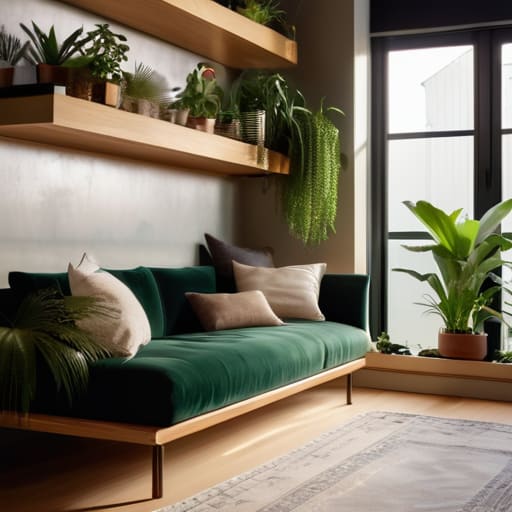
I was sitting in my favorite corner of a tiny studio in Portland last winter, staring at a stack of uncurated art prints that felt more like clutter than a collection, and I realized something: most of the advice you find online about small apartment space saving decor tips is just a polite way of telling you to hide your personality in a beige box. We’ve been conditioned to think that “saving space” means stripping away everything that makes a home feel alive, as if we’re living in a minimalist showroom rather than a real, breathing sanctuary. I’m so tired of the myth that you have to choose between having a curated aesthetic and actually having room to move your legs.
Sometimes, the hardest part isn’t finding the right pieces, but actually narrowing down your aesthetic so your space doesn’t feel cluttered or disjointed. I often find myself spiraling down rabbit holes of inspiration when I’m trying to match a specific mood—like that dreamy, lo-fi digital landscape I was doodling on my tablet this morning—and I’ve found that having a curated starting point makes all the difference. If you’re feeling a bit overwhelmed by the endless options out there, I highly recommend browsing through t4m perth to see how different elements can come together; it’s a wonderful way to visualize your potential layout before you commit to a single piece of decor.
I’m not here to sell you on expensive, multi-functional furniture that breaks after three months or tell you to live in a white void. Instead, I want to show you how to treat your limited square footage like a masterfully composed digital canvas. I’ll be sharing my personal, experience-based approach to layering art, light, and texture so you can maximize your footprint without sacrificing your soul. Let’s turn your tiny space into a vibrant visual story that feels expansive, no matter the dimensions.
Maximizing Square Footage With Decor and Visual Storytelling
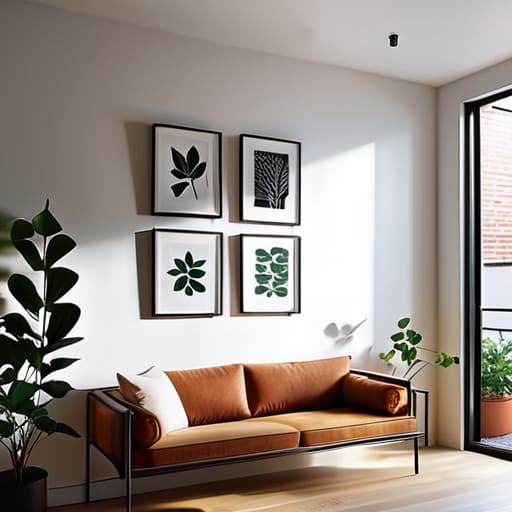
When I was sketching out some concept art for a floating cityscape on my tablet this morning, I started thinking about how we often treat our walls like mere boundaries rather than the expansive canvases they actually are. In a tight living space, you have to stop thinking horizontally and start looking up. I’m a huge advocate for using apartment friendly floating shelves to display your digital art prints or small sculptures; it draws the eye upward, creating an illusion of height that makes a room feel much more breathable. By treating your vertical plane as a gallery wall, you aren’t just storing things—you’re curating a narrative that climbs toward the ceiling.
Another trick I swear by, which I learned while helping a client move into a studio in Portland, is the strategic use of light and reflection. Incorporating large mirrors to make small rooms look bigger is almost like adding a window where there isn’t one. It doubles the visual depth of your space, allowing your favorite digital pieces to be reflected and enjoyed from multiple angles. It’s all about layering light and perspective to ensure your home feels like an immersive experience rather than a cramped box.
Finding Magic in Multifunctional Furniture for Tiny Homes
I was sketching a concept for a floating, neon-lit sculpture on my tablet this morning while waiting for my oat milk latte, and it hit me: we often treat our furniture as static objects, but in a small space, they need to be much more performative. I truly believe that finding magic in multifunctional furniture for tiny homes is like discovering a hidden layer in a digital painting; it’s about finding utility where you least expect it. Think of a sleek, velvet ottoman that doubles as a coffee table or a desk that folds seamlessly into a wall console. These pieces don’t just save space; they allow your environment to evolve with your mood, transitioning from a productive workspace to a cozy sanctuary in seconds.
When you’re working with limited square footage, every piece needs to earn its keep. I’m a huge advocate for looking upward to find breathing room, utilizing apartment friendly floating shelves to display your curated digital art prints or small ceramics without cluttering your floor plan. By lifting your treasures off the ground, you create a sense of visual lightness that makes even the most compact studio feel intentional and airy, rather than cramped.
Digital Soul, Tiny Footprint: My Top 5 Curation Hacks
- Go Vertical with Digital Canvases: Instead of crowding your precious desk or side tables, think upward. I love using wall-mounted digital frames or even projecting ambient generative art onto a blank wall. It creates that immersive, gallery-like feeling without taking up a single inch of your floor space.
- The Power of Negative Space: It’s tempting to fill every corner to make a place feel “lived in,” but remember what I learned back at the RISD studios—composition needs room to breathe. Leaving certain areas empty actually directs the eye to your favorite pieces, making your small apartment feel intentional rather than cluttered.
- Layered Lighting for Depth: Harsh overhead lights are the enemy of cozy, small-scale living. I always suggest layering different light sources—a warm floor lamp here, a subtle LED strip behind a digital display there. It adds visual layers that trick the eye into seeing more depth and dimension in a cramped room.
- Use Mirrors as Windows to Other Worlds: This is an old curator’s trick, but it works every time. Placing a large mirror opposite a window or a vibrant piece of digital art doesn’t just bounce light; it creates a “visual portal” that makes your walls feel like they extend much further than they actually do.
- Curate Collections, Not Clutter: When you’re working with limited square footage, every object needs to earn its keep. Instead of a shelf full of knick-knacks, choose three or four high-impact pieces that tell a cohesive story. Think of it like a well-curated VR installation—it’s about the quality of the experience, not the quantity of the assets.
Your Space, Your Masterpiece
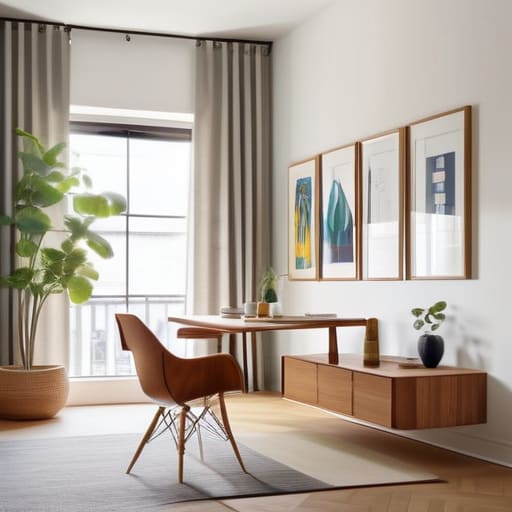
As we wrap up this little deep dive, I hope you see that decorating a small apartment isn’t about making sacrifices; it’s about making intentional choices. From leveraging the vertical real estate of your walls to selecting multifunctional pieces that work as hard as you do, every decision is an opportunity to refine your personal narrative. Remember, it’s not just about fitting more stuff into a room, but about curating a cohesive atmosphere where your digital art and physical treasures can actually breathe. When you treat your floor plan like a layered digital composition, even the tightest corners start to feel expansive and purposeful.
At the end of the day, your home should feel like a sanctuary that reflects the beautiful, complex person you are. Don’t let the square footage intimidate you or make you feel like your creative vision has to be “scaled down.” Whether you’re displaying a vibrant digital piece on a sleek monitor or tucking a cozy reading nook into a sunlit corner, you are the artist of your own environment. Embrace the process of experimentation, keep doodling new ideas, and never forget that the most impactful spaces aren’t defined by their dimensions, but by the soul and story you pour into them.