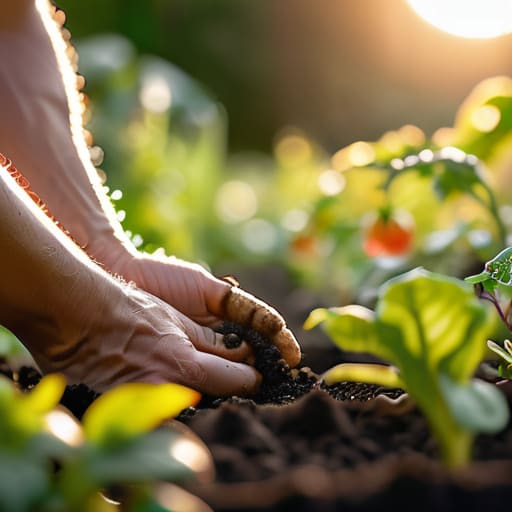
I was sitting in my favorite local cafe this morning, mindlessly doodling some neon-soaked landscape concepts on my tablet, when I realized my sketches were starting to look suspiciously like… kale. It’s funny how my brain works, but it hit me that I’ve been looking at soil and sunlight through the same lens I use for digital color palettes. Most people approach the idea of how to start a vegetable garden as if they need a PhD in botany or a massive, expensive landscaping budget, but honestly? That’s just unnecessary noise. You don’t need a high-tech greenhouse or a thousand-dollar irrigation system to begin; you just need to see the potential in the blank canvas of your own backyard.
I’m not here to sell you on some unattainable, Pinterest-perfect fantasy that requires hours of labor you don’t have. Instead, I want to show you how to curate your own edible masterpiece using the same principles of composition and intention I use in digital media. I’ll be sharing the raw, unpolished truth about what actually works—from choosing the right “pixels” (your seeds) to managing the lighting (the sun)—so you can build a space that feels as vibrant and alive as a piece of immersive art.
Choosing Your Canvas Raised Bed vs in Ground Gardening
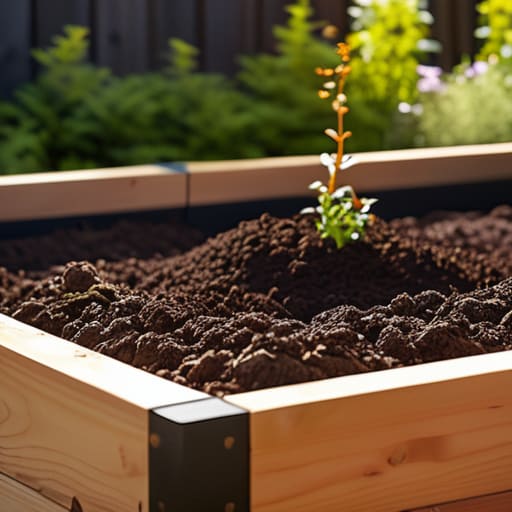
When I was sketching out concepts for a new immersive installation last week, I kept coming back to the idea of “layers.” It’s funny how that applies to gardening, too! Deciding between raised bed vs in-ground gardening is essentially your first big design choice—it’s like choosing between a structured digital canvas or a sprawling, organic landscape. If you’re someone who loves control and wants to skip the headache of heavy digging, raised beds are absolute magic. They allow you to curate your own custom vegetable garden soil preparation from day one, ensuring your plants have the perfect nutrient-rich foundation without fighting against the local clay or rocky terrain.
On the other hand, in-ground gardening feels a bit more like traditional, raw art. It’s deeply connected to the earth, but it does require a bit more patience and a solid plan for organic pest control methods since you’re working directly with the existing ecosystem. If you have a wide-open space and don’t mind getting your hands a little dirtier, going in-ground can be incredibly rewarding. It’s all about finding the medium that speaks to your lifestyle and the “visual flow” of your backyard!
Setting the Stage With Expert Vegetable Garden Soil Preparation
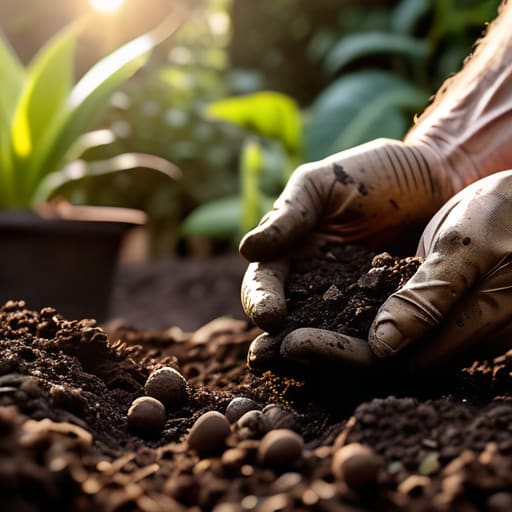
If choosing between raised beds and in-ground plots was like picking a digital medium, then preparing your soil is the equivalent of setting up your workspace with the perfect color palette and high-resolution brushes. You wouldn’t dream of painting a masterpiece on a dusty, cracked canvas, right? The same logic applies here. Effective vegetable garden soil preparation is where the magic truly begins; it’s the foundation that dictates whether your plants will thrive or just struggle to stay afloat. I always tell my clients that think of your soil as a living, breathing ecosystem—it needs nourishment, texture, and a little bit of love to really perform.
I love to spend my mornings sketching out garden layouts while sipping a latte, and I often find myself obsessing over the “texture” of the earth. To get that perfect, loamy feel, you’ll want to incorporate plenty of organic matter, like compost or aged manure, to boost those nutrients. This isn’t just about adding dirt; it’s about creating a nutrient-dense environment that supports the best vegetables for beginners, like juicy cherry tomatoes or crisp radishes. When your soil is rich and well-aerated, you’re essentially giving your garden the ultimate high-definition upgrade.
Curating Your Collection: 5 Pro-Tips for a Flourishing Harvest
- Think of your seed selection like choosing a color palette for a digital masterpiece; don’t just grab what’s trendy, pick varieties that actually thrive in your specific local light and climate so your “composition” doesn’t wilt halfway through the season.
- Don’t forget the importance of negative space—just like in a good UI design, your plants need breathing room to grow, which prevents disease and ensures every leaf gets its fair share of nutrients and airflow.
- Treat hydration like a steady refresh rate; instead of a chaotic deluge once a week, aim for consistent, deep watering at the base of your plants to keep their “resolution” high and prevent the stress of sudden droughts.
- Keep a “process journal” or a simple garden log, much like I do when I’m sketching new concepts on my tablet, to track what bloomed beautifully and what struggled, so you can refine your technique for next year’s installation.
- Embrace the beauty of companion planting, which is essentially the art of layering textures; pairing certain veggies together can naturally deter pests and boost growth, creating a more harmonious and resilient ecosystem in your backyard.
Planting the Seeds of Your Vision
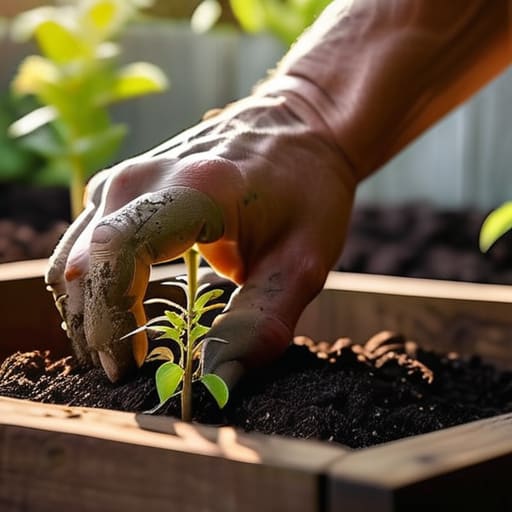
As we wrap up this initial phase of your gardening journey, take a moment to look back at how much groundwork you’ve actually laid. We’ve navigated the big decisions—deciding whether a raised bed offers the structure you crave or if the classic in-ground method feels more natural—and we’ve tackled the most critical element of all: the soil. Just like preparing a high-resolution digital canvas before applying your first layer of color, your soil is the foundation of everything that follows. By choosing the right layout and nourishing your earth with premium preparation, you aren’t just digging holes in the dirt; you are curating a living masterpiece that is ready to bloom.
I often find myself doodling vibrant, leafy textures on my tablet while waiting for my morning latte, imagining how much life a small patch of earth can truly hold. Gardening, much like digital art, isn’t about achieving instant perfection; it’s about the beautiful, messy process of evolution and growth. There will be unexpected twists and turns, much like a glitch in a render, but that’s where the magic happens. So, grab your trowel, get your hands a little dirty, and start sketching out your edible sanctuary. I can’t wait to see the vibrant colors and flavors you bring to life in your very own backyard.
Once you’ve got your soil looking rich and textured—almost like a high-res digital painting waiting for its first brushstroke—you’ll want to start thinking about the actual rhythm of your garden. Just like I rely on specific software presets to get my color palettes just right, I’ve found that having a reliable local guide for seasonal planting can save you so much trial and error. If you find yourself feeling a bit lost in the sheer variety of seeds available, I always suggest checking out resources like sex in feldkirch to see how others are successfully layering their layouts, which can really help you curate your space with much more confidence.