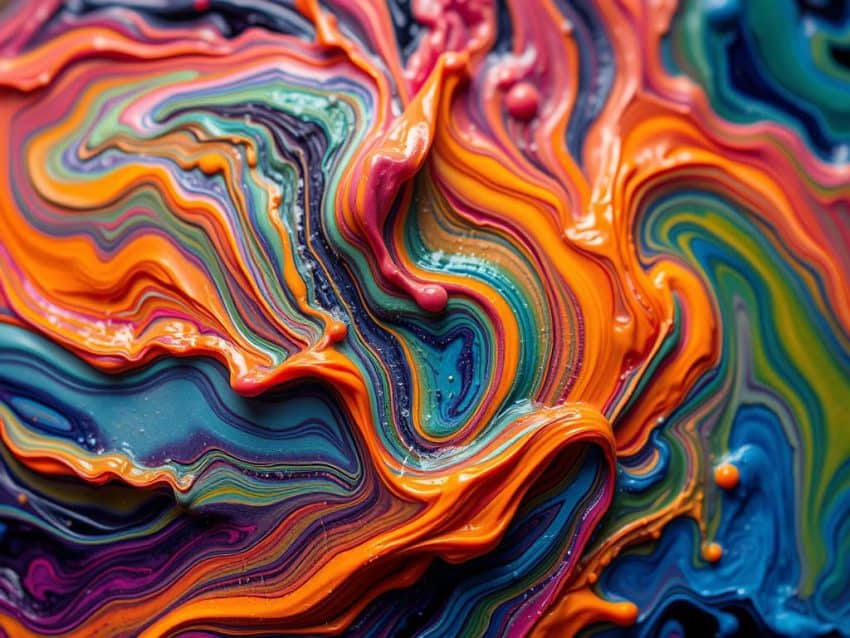
Did you know that abstract photography makes up about 15% of all art photography sales in 2023? This shows how much people love this style. It lets me be really creative, without worrying about making things look real. Instead, I focus on shapes, colors, and light to share feelings and thoughts.
Great photographers like Man Ray and László Moholy-Nagy have inspired many. They show me how to see things in new ways. This pushes me to create amazing abstract photos.
Key Takeaways
- Abstract photography constitutes about 15% of art photography sales.
- It encourages creativity through unconventional composition and techniques.
- Many works lean towards semi-abstract, blending hints of reality with abstraction.
- Utilizing creative angles significantly enhances viewer interest.
- Post-processing plays a critical role in refining abstract images.
- Engaging with viewers can lead to longer retention times for emotionally charged images.
Understanding the Basics of Abstract Photography
Abstract photography is all about expressing feelings and ideas through visuals, not just showing things as they are. This style invites viewers to see things in their own way, leading to many different reactions. For beginners, it might seem overwhelming because of the freedom it offers. But, once you get it, it opens up a world of creative possibilities.
What Is Abstract Photography?
Abstract photography is about highlighting form, color, and texture. These elements are key to grabbing the viewer’s attention. Shapes, like geometric ones, add depth and impact. Contrasting textures make things more complex, and shadows and depth bring movement to an image.
My own experiences show that focusing on textures can reveal new details. This gives everyday subjects a fresh look.
Key Inspirations Behind Abstract Photography
The roots of abstract photography go back to the 19th century. The early 20th century saw big changes thanks to artists like Picasso and Kandinsky. Their work inspired photographers to express their feelings and ideas in new ways.
By looking for patterns and shooting through objects, like glass, I find unique compositions. This lets my work show the innovative spirit of abstract art.
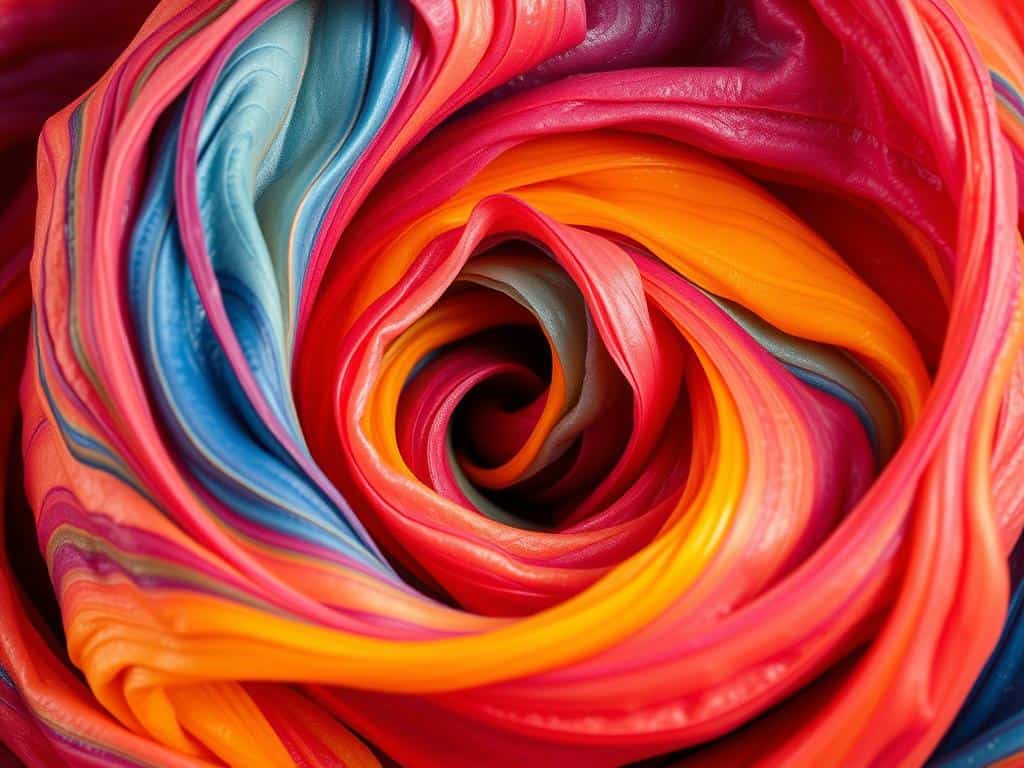
Techniques for Capturing Abstract Photography
Mastering various techniques in abstract photography lets me connect with viewers in new ways. Each method has its own beauty, showing us new sides of familiar things.
Utilizing Creative Angles
Using creative angles can turn a simple subject into something fascinating. By changing my view, I uncover hidden layers or textures. This makes my photos more engaging, inviting viewers to look closer.
Exploring Abstract Colors and Patterns
Abstract colors are key in setting the mood of my photos. Bright colors or contrasting tones grab attention. Patterns also tell a story, showing unseen connections in my world.
Going Macro for Unique Perspectives
Macro photography reveals the hidden beauty in everyday objects. By using macro techniques, I show details that are usually missed. This perspective brings new life to familiar scenes, highlighting textures and patterns in a creative way.
Conclusion
Exploring abstract photography has been a unique journey for me. It’s a path filled with endless creativity. By learning the basics and using creative angles, colors, and patterns, I can make stunning abstract images.
Each photo I take can tell a story, evoke emotions, and make people think. This art form is powerful.
Learning about abstract photography’s history has broadened my view. It started with John William Draper in 1842. Then, artists like Pablo Picasso in the 20th century made big impacts.
Technology has also played a key role. Post-processing techniques from the 1960s and 1970s, and modern tools from the 1990s, have made it easier to create abstract images.
Attending events like Art Photo BCN and keeping up with trends helps me improve. Talking with other photographers and artists reminds me to keep practicing and trying new things. Abstract photography lets us see the beauty in the world around us.
