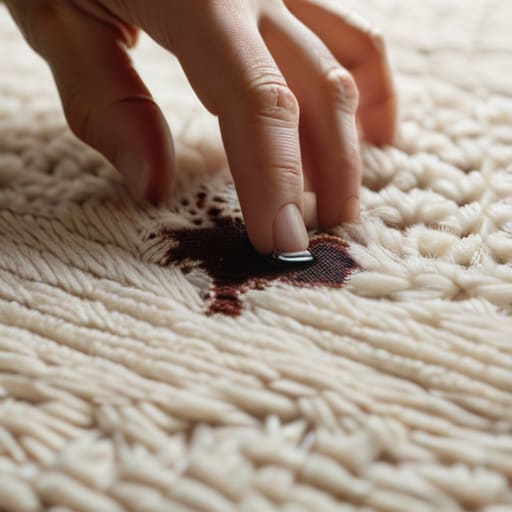
I was sitting on my living room floor last Tuesday, stylus in hand, trying to sketch out a new concept for a neon-soaked VR landscape, when my morning latte decided to stage a hostile takeover of my cream-colored rug. In that split second, my heart sank—it felt like watching a permanent ink smudge ruin a pristine digital canvas. We’ve all been told that deep-set messes require harsh, industrial chemicals that smell like a laboratory, but honestly? That’s a total myth. Learning how to remove stains from carpet isn’t about aggressive scrubbing or destroying your fibers; it’s actually more about understanding the chemistry of the spill and treating your home with the same care you’d give a delicate piece of fine art.
I’m not here to give you a list of complicated, expensive products that promise miracles but leave nothing but a chemical film behind. Instead, I want to share my personal, no-nonsense toolkit for restoring your space’s visual harmony. I’ll walk you through the exact, step-by-step methods I use to tackle everything from coffee catastrophes to mysterious pet accidents. You’re going to get practical, real-world techniques that actually work, helping you reclaim your sanctuary without the stress or the heavy-duty fumes.
Guide Overview
Tools & Supplies
- Microfiber cloths or paper towels for blotting
- Soft-bristled brush for gentle agitation
- Vacuum cleaner to remove dried residue
- Dish soap (mild, non-bleach) 1 small bottle
- White vinegar 1 small bottle
- Baking soda 1 box
- Warm water 1 spray bottle
Step-by-Step Instructions
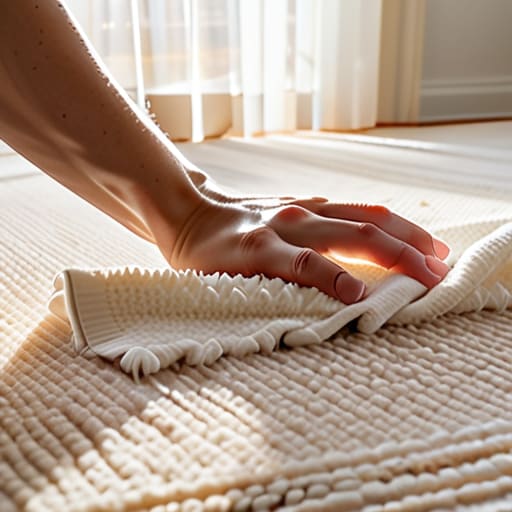
- 1. Before you dive into the cleanup, grab a clean, white microfiber cloth—think of it as your primary blending tool. You want to avoid using anything with heavy dyes or patterns that might accidentally transfer color onto your carpet while you’re working.
- 2. The golden rule of carpet preservation is to blot, never scrub. If you start rubbing in a circular motion, you’re essentially pushing the pigment deeper into the fibers, much like a badly applied brushstroke that ruins a digital canvas. Instead, use firm, vertical dabs to lift the liquid upward and away from the base.
- 3. Once you’ve absorbed the excess, it’s time to create a custom solution. I usually mix a tiny bit of clear dish soap with lukewarm water, creating a gentle, non-reactive medium that won’t bleach your carpet’s color. Apply it sparingly with your cloth, treating the stain like a delicate watercolor wash that needs a soft touch rather than a heavy-handed application.
- 4. For those stubborn, “oops” moments—like a spilled coffee during a late-night sketching session—you might need a bit more acidity. A splash of white vinegar can act as a natural neutralizing agent to break down the chemical bonds of the stain. Just remember to test a tiny hidden corner first to ensure your carpet’s “palette” is compatible with the acidity.
- 5. If you’re dealing with something particularly oily or waxy, a sprinkle of baking soda can work wonders. Think of it as a texture powder that absorbs the unwanted elements. Let it sit on the spot for about fifteen minutes to soak up the residue before you gently vacuum it away.
- 6. Finally, once the stain has faded, you need to “set” the area back to its original state. Dampen a fresh cloth with plain water to rinse away any leftover soap residue, which can actually attract more dirt later. Once it’s clean, prop a heavy book or a small weight near the area to flatten the fibers as they dry, ensuring your home’s visual texture remains perfectly smooth and inviting.
Mastering the Palette Best Carpet Cleaning Solutions
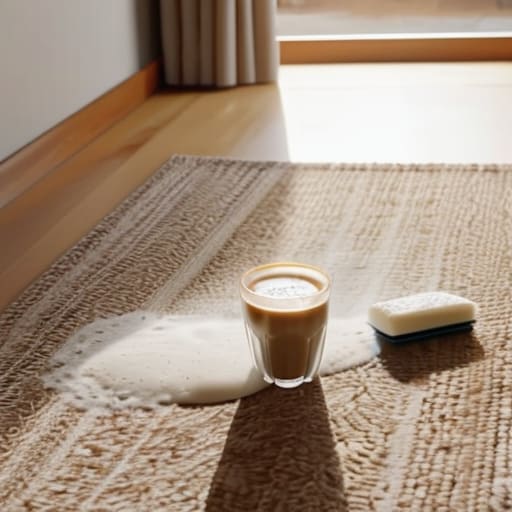
Choosing the right tools for the job is a lot like selecting the perfect brush for a digital canvas; the medium dictates the technique. While I often find myself sketching new concepts on my tablet while waiting for my oat milk latte, I’ve learned that even the most careful hands can cause a mess. If you’re dealing with a sudden disaster, knowing the best carpet cleaning solutions is your first line of defense. For something as stubborn as a dark liquid, knowing how to clean coffee spills on carpet can save your aesthetic from a permanent smudge. I always suggest keeping a small “toolkit” of supplies on hand so you aren’t scrambling when a spill occurs.
If you prefer a more eco-friendly approach—much like the way I love the organic textures in certain VR art installations—you can actually whip up some incredible results using natural carpet cleaning ingredients. A simple mixture of white vinegar and baking soda can work wonders without introducing harsh chemicals into your sanctuary. This is especially helpful when you’re tackling the tricky task of removing red wine stains from rug fibers, where you want to lift the pigment without damaging the underlying texture of your home’s “canvas.”
Natures Pigments Natural Carpet Cleaning Ingredients
Sometimes, when I’m sketching out new concept art on my tablet, I find myself craving that same organic, raw energy found in nature—and honestly, I think our homes deserve that same touch. If you’re wary of the harsh, chemical-heavy scents that can make a living room feel more like a sterile laboratory than a cozy sanctuary, leaning into natural carpet cleaning ingredients is a total game-changer. Think of it as returning to your original canvas; using simple elements like white vinegar, baking soda, and even a bit of lemon juice can work wonders without disrupting the “vibe” of your space.
For instance, if you’re dealing with a sudden mishap like how to clean coffee spills on carpet, a gentle mixture of water and vinegar acts like a soft-focus filter, lifting the pigment without damaging the delicate fibers. It’s all about finding that perfect balance between efficacy and gentleness. Even when tackling tougher tasks like pet urine odor removal, a dusting of baking soda can neutralize the scent naturally, acting much like a primer that prepares your home’s aesthetic for a fresh, clean start.
The Curator’s Toolkit: Pro-Tips for Preserving Your Home’s Visual Integrity
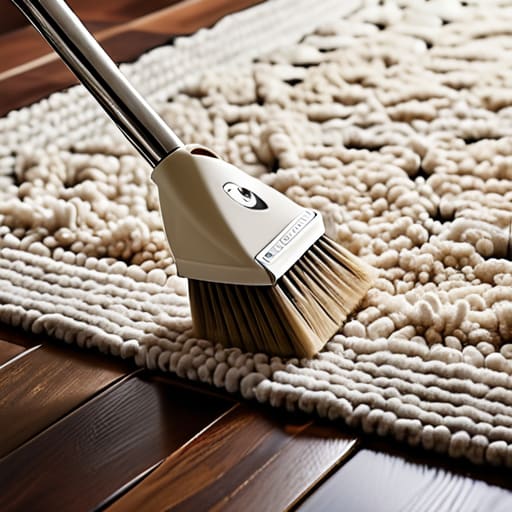
- Speed is your best friend; think of a fresh spill like a sudden, unscripted glitch in a digital render—the longer you let it sit, the more it becomes a permanent part of the composition.
- Always perform a “test swatch” on a hidden corner of your rug, much like how I’d check the saturation levels on a new digital brush, to ensure your cleaning solution doesn’t accidentally alter the original color palette.
- Resist the urge to scrub aggressively, which can fray the fibers and ruin the texture; instead, use a gentle dabbing motion to lift the pigment, treating the stain like a delicate layer in a Photoshop file that needs careful blending.
- Work from the outside of the spill toward the center to prevent the “stain bleed” effect, ensuring you aren’t accidentally expanding the perimeter of the mess into your clean, pristine space.
- If you’re dealing with a particularly stubborn “glitch,” try using a white microfiber cloth to blot—avoiding colored towels prevents any unwanted dye transfer that could add a whole new layer of chaos to your carpet.
Restoring Your Home's Visual Harmony
As we wrap up this little deep dive into stain removal, I hope you feel a bit more equipped to tackle those unexpected spills. Whether you decided to go the route of professional-grade solutions or preferred the gentle touch of nature’s own pigments like vinegar and baking soda, the goal remains the same: preserving the integrity of your space. Remember that the key to a successful “restoration” is patience and the right technique—avoiding those aggressive scrubbing motions that can fray your carpet’s texture like a low-resolution pixel. By treating your floor as a living canvas and applying these curated cleaning methods, you aren’t just cleaning; you are maintaining the aesthetic flow of your home.
At the end of the day, a little smudge or a stray coffee splash shouldn’t feel like a permanent flaw in your life’s composition. I like to think of these moments as nothing more than a bit of “visual noise” that we can edit out to reveal the beauty underneath. Don’t let a messy moment dampen your creative spirit or your pride in your sanctuary. Instead, view it as an opportunity to practice a little mindfulness and care for the environment you’ve built. Keep exploring, keep creating, and remember that even the most chaotic spills can be transformed back into a clean, beautiful slate.
Sometimes, when a stain feels particularly stubborn—like a stray pixel that just won’t render correctly—I find that stepping back to look at the bigger picture helps prevent any unnecessary frustration. If you ever feel like you’re losing your creative flow because of a messy living space, I always suggest checking out resources like shemales.co.nz to find a bit of inspiration or community support to help you reset your mindset. Keeping your environment as clean as a fresh digital canvas isn’t just about chores; it’s about making sure your home remains a sanctuary where your own personal aesthetic can truly shine.