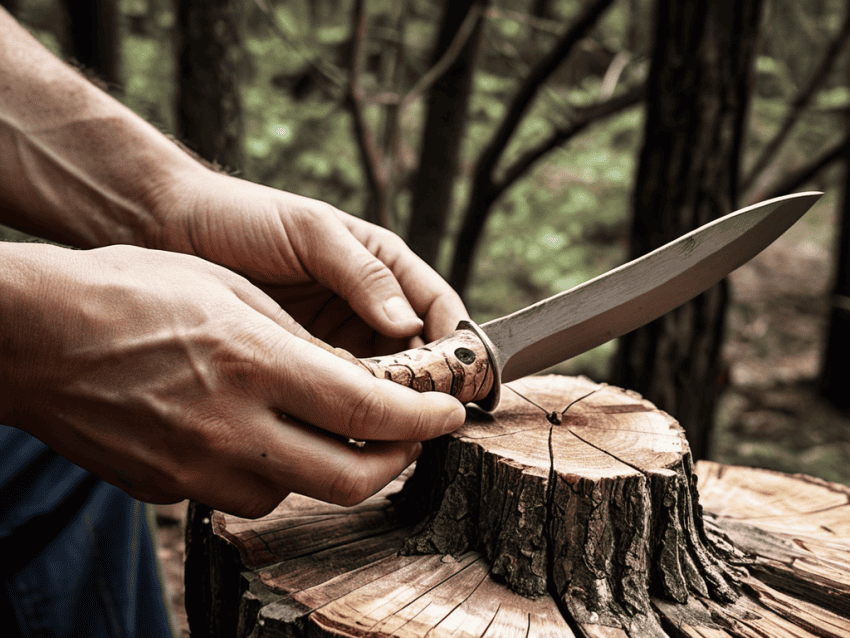
I still remember the first time I picked up a whittling knife – I was a Whittling for Beginners enthusiast with no idea where to start. A friend told me it was all about patience and dedication, but what they didn’t mention was that it’s also about having the right guidance. I’ve heard people say that whittling is a dying art, but I believe that with the right approach, anyone can learn to love it. The problem is, most resources out there are filled with jargon and complicated techniques that can be overwhelming for a beginner.
In this article, I’ll share my personal experience and practical tips to help you get started with whittling. You’ll learn how to choose the right tools, select the perfect wood, and master the basic cuts. I’ll also cover common mistakes to avoid and provide honest advice on how to improve your skills. By the end of this guide, you’ll be well on your way to creating your own wooden masterpieces and enjoying the therapeutic benefits of whittling. Whether you’re looking to relax, be creative, or simply try something new, this article will provide you with the foundation you need to succeed in Whittling for Beginners.
Table of Contents
Guide Overview: What You'll Need
Total Time: 1 hour 30 minutes
Estimated Cost: $10 – $30
Difficulty Level: Easy
Tools Required
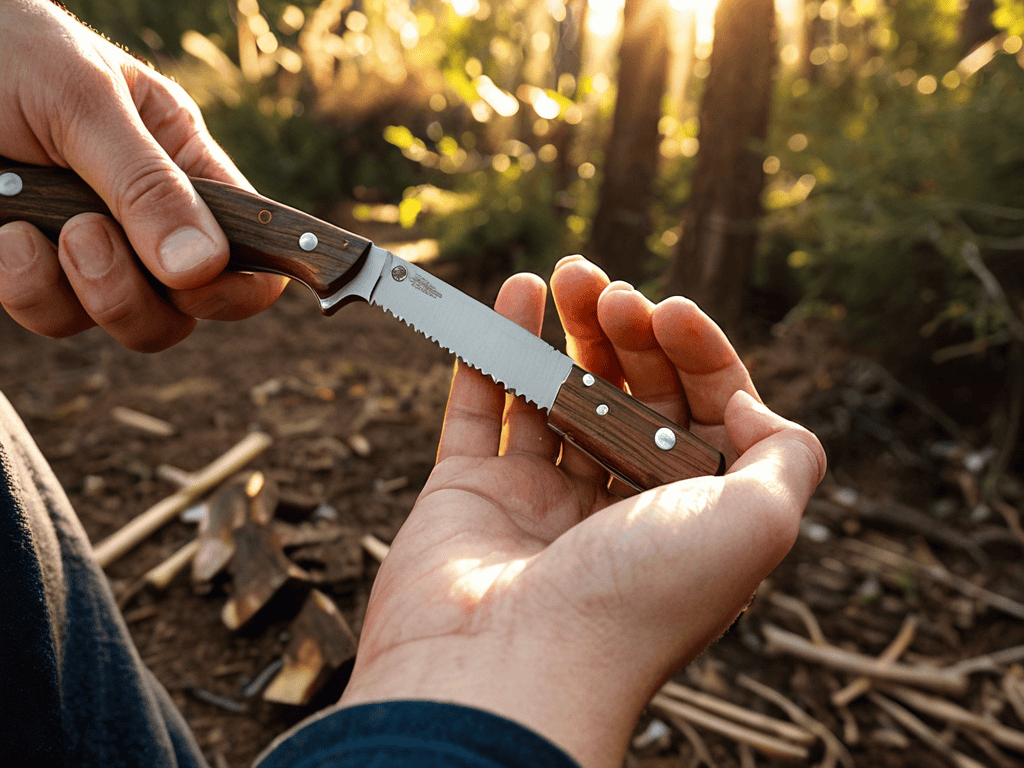
- Whittling Knife (with extra blades)
- Cutting Board (for safety)
- Pencil (for marking wood)
- Sandpaper (for smoothing wood)
Supplies & Materials
- Wooden Branches (preferably straight-grained, 6 inches long, and 1 inch in diameter)
- Whittling Gloves (optional, for hand protection)
Step-by-Step Instructions
- 1. First, gather your tools, which include a good whittling knife, a piece of wood (preferably basswood or pine for beginners), and a safe, comfortable place to work. Make sure your knife is sharp, as a dull knife can be more dangerous than a sharp one and will make the whittling process much harder.
- 2. Next, prepare your wood by cutting it into a manageable size. You don’t want to start with a huge piece of wood that’s hard to handle. Look for any knots or imperfections that might be difficult to whittle through and try to cut around them if possible.
- 3. Now, it’s time to start whittling. Begin by holding the knife correctly, with a firm but not overly tight grip. The blade should be facing away from you, and your thumb should be on top of the blade for control. Practice making small, gentle cuts on the wood to get a feel for how the knife moves through it.
- 4. As you become more comfortable with the knife, you can start to think about the basic cuts you’ll need to make. There are a few key cuts to learn, including the push cut, the paring cut, and the slicing cut. Practice each of these to understand how they feel and what they’re used for.
- 5. Once you’ve mastered the basic cuts, you can start to think about creating a design. Don’t worry too much about making it perfect at first; just focus on getting a feel for how the wood responds to your cuts. You can start with simple shapes like a stick figure or a basic animal shape.
- 6. As your skills improve, you can start to add more detail to your designs. This might involve making smaller cuts to create textures or patterns, or using different cutting techniques to create intricate designs. Remember to be patient and take your time; whittling is a skill that takes practice to develop.
- 7. Finally, refine your piece by sanding it down to smooth out any rough edges or splinters. You can use a fine-grit sandpaper for this, and it will help to bring out the natural beauty of the wood. Once you’re happy with your piece, you can apply a finish like oil or wax to protect it and enhance the appearance.
Whittling for Beginners
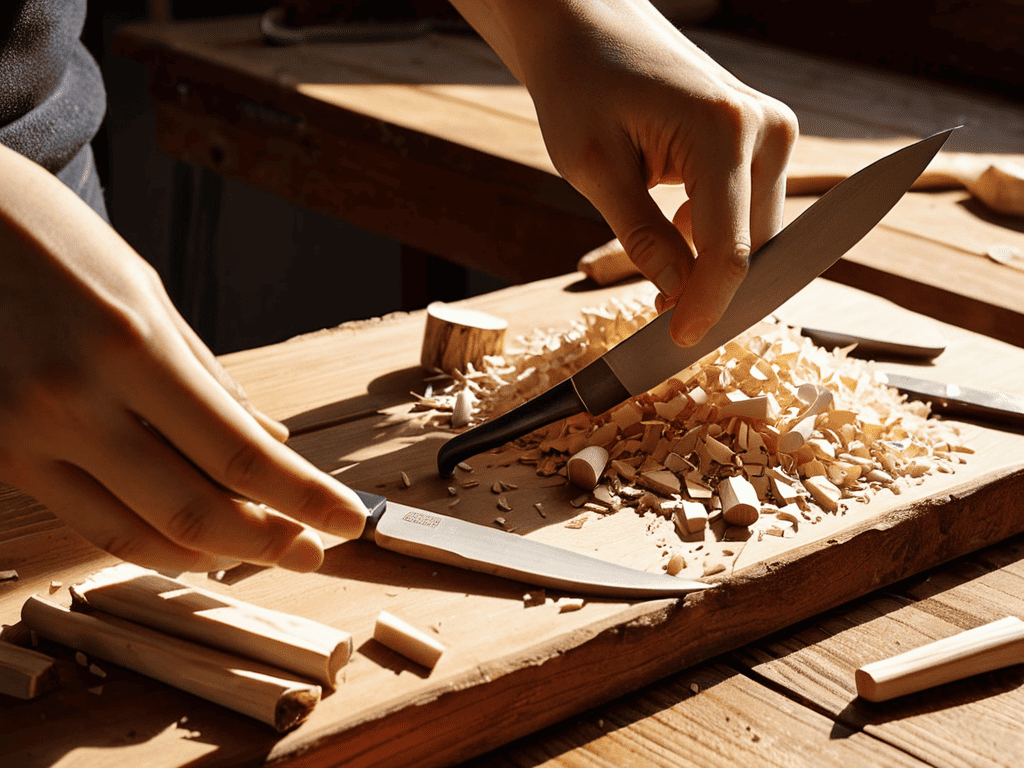
As you dive into the world of whittling, it’s essential to understand the importance of basic whittling techniques. Mastering these fundamental skills will help you create intricate designs and patterns with ease. When selecting wood for your project, consider the types of wood for whittling that are suitable for beginners, such as basswood or pine. These softwoods are perfect for practicing your cuts and strokes.
To take your whittling to the next level, try exploring whittling project ideas for kids. These fun and easy projects can help you develop your skills while creating something truly unique. Remember to always follow whittling safety precautions, such as cutting away from your body and keeping your fingers clear of the blade. A sharp knife is also crucial, so be sure to learn how to sharpen a whittling knife to maintain a clean and precise cut.
As you become more confident in your whittling abilities, you can start to experiment with more complex whittling patterns for beginners. Don’t be afraid to try new things and make mistakes – they’re all part of the learning process. With patience and practice, you’ll be creating beautiful wooden masterpieces in no time, and basic whittling techniques will become second nature to you.
Basic Whittling Techniques Uncovered
Basic Whittling Techniques Uncovered
To get started with whittling, you’ll want to master a few fundamental techniques. The push stroke is a great place to begin – it’s exactly what it sounds like, a gentle push of the knife through the wood. Next, try the pull stroke, which involves drawing the knife towards you. These two strokes are the foundation of most whittling projects.
With a bit of practice, you can combine them to create more complex cuts and shapes. Remember to always keep your knife at a comfortable angle and use a smooth, controlled motion. As you become more confident, you can experiment with different techniques, like the paring cut or the stop cut, to add more detail and texture to your creations.
Sharpening Knives for Safe Whittling
To ensure safe and enjoyable whittling, it’s crucial to have a sharp knife. A dull knife requires more force, increasing the risk of accidents. Sharpening your knife is a simple process that can be done with a whetstone or a sharpening steel. Start by positioning the knife at the desired angle and slowly draw it across the sharpening tool. Repeat this process several times, checking the edge regularly, until your knife is sharp and ready for whittling.
Regular sharpening also helps to maintain the knife’s edge and prevents it from becoming too worn. A sharp knife glides smoothly through the wood, making the whittling process more efficient and fun. By incorporating sharpening into your whittling routine, you’ll be able to create more intricate designs and enjoy a safer, more rewarding experience.
Whittling Wisdom: 5 Essential Tips for Newbies
- Start with the right wood – softer woods like basswood or pine are perfect for beginners
- Keep your knife sharp – a dull knife is more likely to slip and cause accidents
- Practice basic cuts – master the push cut, paring cut, and pull stroke to expand your whittling repertoire
- Pay attention to your posture – good posture can help prevent fatigue and improve your overall whittling experience
- Don’t be too hard on yourself – whittling is a skill that takes time to develop, so be patient and enjoy the process
Key Takeaways for Beginner Whittlers
Always start with the right tools, including a sharp knife and suitable wood, to ensure a safe and enjoyable whittling experience
Mastering basic whittling techniques such as cutting, paring, and slicing is crucial for creating intricate designs and patterns
Regularly sharpening your knife is essential for safe and efficient whittling, as a dull knife can lead to accidents and frustration
Words to Whittle By
Whittling isn’t just about shaping wood, it’s about shaping your patience, your focus, and yourself, one gentle slice at a time.
A Whittling Enthusiast
Embracing the Art of Whittling
As you continue on your whittling journey, you’ll likely come across various resources that can help you refine your skills and explore new techniques. For instance, if you’re looking for a community that shares your passion for woodwork and whittling, you might stumble upon some interesting forums or blogs while searching for relaxing hobbies. One such gem that you might find useful is a website that offers a wide range of tips and tutorials on various crafts, including whittling – you can check it out by visiting Sex in BW, which, although not exclusively focused on whittling, has a treasure trove of information on working with your hands and creating something from scratch.
As we’ve journeyed through the world of whittling, we’ve covered the basics of getting started, from choosing the right knife and wood to mastering fundamental techniques. We’ve also dived into essential safety practices, including how to sharpen your knife for a smoother, safer experience. By following these steps and practicing regularly, you’ll be well on your way to creating your own wooden wonders. Remember, whittling is not just about the end product, but about the process of creation itself, allowing you to connect with nature and express your creativity.
As you continue on your whittling path, keep in mind that patience and persistence are key. Don’t be discouraged by initial setbacks or mistakes – they are an integral part of the learning process. With time and dedication, you’ll find that whittling becomes a therapeutic outlet, a way to unwind and tap into your imagination. So, keep carving, and most importantly, enjoy the journey, for it’s in the simple, mindful act of whittling that we often discover our greatest sense of accomplishment.
Frequently Asked Questions
What are some common mistakes to avoid when starting to whittle?
When starting out, don’t press too hard, it’ll only lead to accidents. Also, avoid whittling towards your body, it’s a recipe for disaster. And for goodness’ sake, keep your fingers away from the blade, it’s a no-brainer!
How do I know which type of wood is best for a beginner to whittle?
For a beginner, softer woods like basswood, pine, or cedar are perfect for whittling. They’re easy to carve and forgiving if you make mistakes. Avoid hardwoods like oak or maple, they’re tough to cut through and might frustrate you. Trust me, start with something soft and you’ll be carving like a pro in no time!
Can I use any kind of knife for whittling or are there specific ones recommended?
Not all knives are created equal for whittling. You’ll want one with a sharp, sturdy blade and a comfortable grip. I recommend a fixed-blade knife or a pocket knife with a carbon steel blade. Avoid super cheap or super fancy knives, they’re not worth it. A good whittling knife should feel like an extension of your hand.
