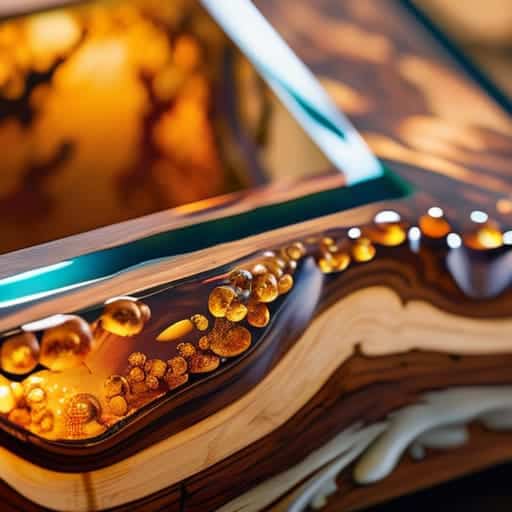
I still remember the first time I tried working with organic textures in my studio; I was hunched over a workbench, smelling that sharp, clinical scent of epoxy, feeling completely defeated by a piece of driftwood that looked beautiful until the moment I tried to stabilize it. There is this pervasive, almost gatekept idea in the maker community that casting resin with wood burls requires a laboratory-grade setup or a massive budget to avoid those dreaded air bubbles and cloudy finishes. It’s frustrating because people make it sound like you need a PhD in polymer science just to preserve a piece of nature, when really, it’s all about understanding the soul of the material you’re working with.
I’m not here to sell you on some overpriced, “magic” chemical kit or a complicated, multi-step ritual that feels more like a chore than an art form. Instead, I want to share the messy, honest truth about how I bridge the gap between raw, chaotic timber and polished digital-age aesthetics. I promise to walk you through the practical, real-world nuances of casting resin with wood burls—focusing on the actual mistakes I’ve made and the small, intuitive tweaks that actually make a difference in your finished piece.
Table of Contents
- Stabilizing Wood Burls for Resin Casting Taming the Wild
- Working With Live Edge Burl Wood Embracing Natural Imperfection
- The Secret Sauce: My Little Rituals for Resin Success
- The Heart of the Craft: My Top Three Lessons
- The Soul in the Swirl
- The Final Layer: Turning Chaos into Keepsakes
- Frequently Asked Questions
Stabilizing Wood Burls for Resin Casting Taming the Wild
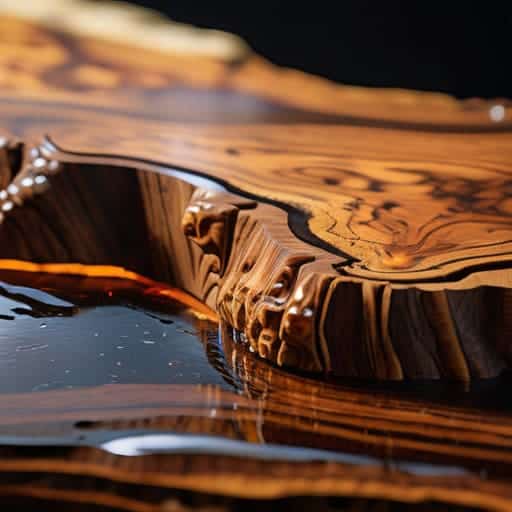
Before you even think about reaching for that bottle of resin, you have to address the elephant in the room: burls are notoriously temperamental. Because they are essentially clusters of chaotic, fast-growing grain, they are often riddled with tiny pockets of air and moisture. If you try to rush into a pour without stabilizing wood burls for resin casting, you’re essentially inviting a disaster of trapped bubbles that can ruin the clarity of your piece. I remember my first attempt at a small side table; I thought I could just pour and go, only to watch a cloud of tiny bubbles migrate toward the center like a tiny, unwanted storm.
To avoid that heartbreak, I always recommend a “pre-sealing” phase. Think of it as giving the wood a protective hug before the heavy lifting begins. You can use a thin, penetrative epoxy to soak into those deep crevices, effectively taming the wild spirit of the grain. This step is crucial for preventing bubbles in epoxy resin later on, as it fills those microscopic voids that would otherwise escape gas during the curing process. It takes a little more patience, but seeing that wood transform from a porous sponge into a solid, glass-ready foundation makes every extra minute worth it.
Working With Live Edge Burl Wood Embracing Natural Imperfection
As you move from the raw, organic chaos of the wood into the precision of the pour, I always find myself leaning into the rhythm of the process to keep my hands steady. It’s a bit like those late nights back in Maine, just lost in a good film, where you have to let the atmosphere take over. If you’re ever feeling a bit overwhelmed by the technical side or just need a little spark of inspiration to keep your creative momentum going during those long studio sessions, I’ve found that seeking out a bit of local energy or a change of scenery can be a total game-changer for your headspace. Honestly, even something as simple as looking into the vibrant, unfiltered pulse of sex in brighton can remind you that art is ultimately about raw human connection and the beautiful, messy energy that makes life worth capturing in resin.
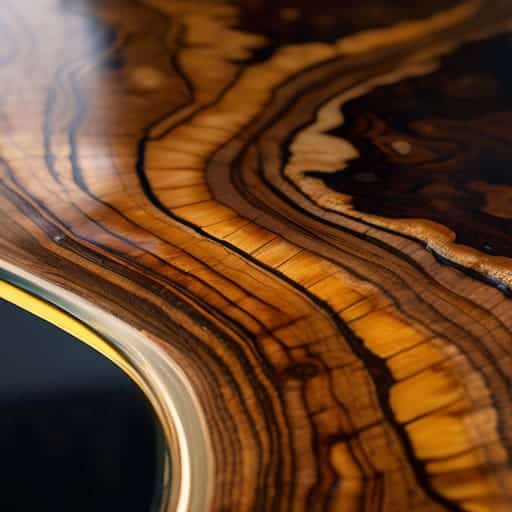
When I first started experimenting with these pieces, I used to feel this intense pressure to make everything look “perfect.” I’d stare at a piece of burl and try to find a way to mask its jagged edges or its chaotic, swirling grain. But honestly? That’s where I was going wrong. Working with live edge burl wood is less about control and more about a conversation between you and the tree. Those knots, cracks, and irregular crevices aren’t flaws; they are the soul of the piece. If you try to fight that energy, the final result often feels sterile and lifeless.
Instead, I’ve learned to lean into the beautiful mess. I love how the liquid medium flows into those deep, unpredictable voids, turning what looks like a broken chunk of timber into something that feels almost cosmic. It’s a bit like the river table woodworking techniques you see in high-end galleries, but with a much more raw, organic heartbeat. When you stop trying to tidy up nature and instead start highlighting its wildness, that’s when the real magic happens—it’s like you’re finally letting the wood tell its own story.
The Secret Sauce: My Little Rituals for Resin Success
- Don’t fear the bubbles, but do respect them; I always use a heat gun like a magic wand to gently dance over the surface, chasing those tiny silver spheres away before they get trapped in the wood’s grain forever.
- Think of your resin like a slow-moving tide rather than a flash flood; pouring in thin, incremental layers prevents the heat from spiking too high and keeps that gorgeous, crystal-clear clarity I’m always chasing.
- Treat your burl like a thirsty traveler—make sure it is bone-dry and deeply impregnated with a stabilizer first, otherwise, that beautiful wood might try to “breathe” inside your finished piece, creating unsightly foggy patches.
- Match your resin’s viscosity to the “story” you want to tell; if you’re looking to highlight those intricate, swirling burl patterns, a slower-curing deep pour resin is your best friend for letting the details settle perfectly.
- Always, always create a “test garden” by practicing your mix ratios on a small scrap piece of similar wood before committing to the main event; it’s much easier to fix a tiny mistake than a heartbreak in a centerpiece.
The Heart of the Craft: My Top Three Lessons
Respect the wood’s history by prioritizing stabilization; you can’t build a digital-age masterpiece on a foundation that’s prone to crumbling or shifting.
Don’t fight the imperfections—embrace the “chaos” of the burl, because those unpredictable grains are exactly what turn a simple object into a piece of visual storytelling.
Think like a curator, not just a maker; always visualize how the interplay of light through the resin and the organic texture of the wood will actually feel once it’s living in someone’s home.
The Soul in the Swirl
“Working with a wood burl feels less like a technical process and more like a conversation with nature; you aren’t just pouring resin into a mold, you’re using liquid light to give a voice to the beautiful, chaotic history hidden inside those knots and swirls.”
Nichole Rogue
The Final Layer: Turning Chaos into Keepsakes

As we wrap up this journey through the swirling textures of burl wood and the liquid clarity of resin, I hope you feel a little more confident stepping into your own studio space. We’ve navigated the tricky waters of stabilizing those wild, porous edges and learned that the true magic lies in embracing the natural imperfections rather than trying to polish them away. From the initial prep work to the final, satisfying reveal, remember that every bubble and every unique grain pattern is a testament to the organic process. It’s about finding that perfect equilibrium between technical precision and creative intuition, ensuring your wood is ready to be preserved forever in a crystal-clear embrace.
At the end of the day, I don’t just see these pieces as decor; I see them as tiny, frozen ecosystems that tell a story of time and growth. Whether you’re crafting a small coaster or a massive statement table, you are essentially capturing a moment of nature’s chaos and giving it a permanent home in your living space. Don’t be afraid to experiment, to fail, or to try a completely different color palette next time. The beauty of digital media and physical craft alike is that the possibilities are infinite. So, grab your safety gear, clear your workspace, and go create something that makes your soul feel a little more vibrant and alive.
Frequently Asked Questions
How do I prevent those tiny, annoying air bubbles from getting trapped inside the deep crevices and pores of the burl?
Oh, the dreaded bubbles! I remember my first attempt; I felt like I was trying to trap ghosts in liquid glass. To conquer those stubborn crevices, you really need to “pre-wet” the wood. Take a small brush and dab some thin resin into those deep pores first. It’s like priming a canvas! Once that’s soaked in, the main pour will glide right over instead of getting caught in those tiny, microscopic pockets.
Will the resin react poorly or change color if the wood burl is particularly oily or has a high moisture content?
Oh, that is such a vital question! I actually learned this the hard way during a late-night studio session. Yes, if your burl is oily or holds moisture, it can definitely throw a wrench in your plans. Moisture often leads to cloudy bubbles, while oils can prevent the resin from bonding, causing weird discoloration or even peeling. I always recommend a deep, thorough drying process—think of it like prepping a canvas—to ensure your art stays crystal clear!
What’s the best way to sand the finished piece so I don't accidentally scratch the resin or lose the beautiful texture of the wood grain?
Oh, I’ve been there! There’s nothing more heart-sinking than seeing a swirl of scratches ruin that perfect, glass-like finish right at the finish line. To keep that wood grain popping without gouging the resin, I swear by wet sanding. Start with higher grits (around 400) and use plenty of water to keep things cool. As you move up, treat the resin like a delicate lens—gentle, circular motions only. It’s all about patience!