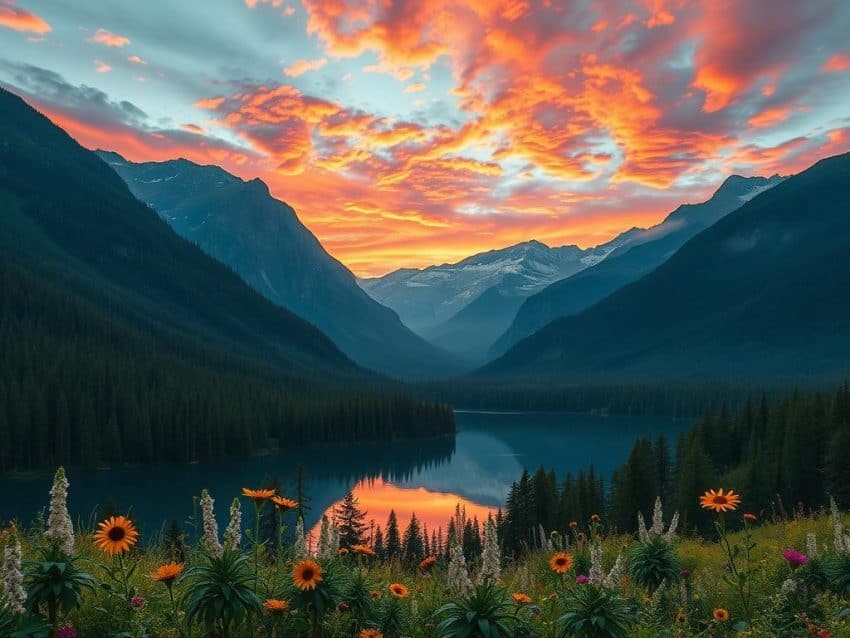
Did you know that about 90% of landscape photographers focus on mastering the exposure triangle? This includes shutter speed, aperture, and ISO settings. It shows how key it is to know your camera settings for top-notch images. As I moved from casual to passionate landscape photography, I learned that the right gear and techniques are just as important.
In this article, I’ll share tips and insights that boosted my wildlife and landscape photography skills. Whether you’re new or experienced, going out often and paying attention to composition are key. Let’s dive into methods that can make your outdoor shots truly stand out, capturing nature’s beauty.
Key Takeaways
- Mastering the exposure triangle is vital for capturing breathtaking images.
- Regular practice and mindful composition can significantly elevate your skill level.
- Utilizing the right gear enhances your ability to capture stunning landscapes.
- Know your ethical responsibilities in wildlife photography to ensure animal safety.
- Prior scouting locations can unveil unique perspectives that reduce congestion.
Understanding Composition in Nature Photography
In nature photography, mastering composition is key to creating stunning images. It’s not just about where things are placed. It’s about telling a story with visuals. Using the rule of thirds, balance, symmetry, and leading lines can make an image more appealing.
Utilizing the Rule of Thirds
The rule of thirds divides an image into nine parts. It suggests placing important elements on these lines or where they meet. This guides the viewer’s eye and adds interest. By avoiding the center, images become more dynamic and engaging.
Exploring Balance and Symmetry
Balance and symmetry greatly affect how we see an image. A balanced composition can create harmony, engaging the viewer. For example, placing a key object on one side and supporting elements on the other enhances balance.
Symmetrical images often bring calm and order. They are great for capturing peaceful nature scenes.
Leading Lines to Guide the Viewer’s Eye
Leading lines draw attention to the main subjects of my photos. Features like rivers, pathways, and trees guide the viewer’s gaze. This adds depth and context to the image.
Effective use of leading lines creates a path for the viewer’s eye. It enriches their experience and invites them into the story.
Camera Settings for Captivating Outdoor Shots
Knowing the right camera settings is key to taking amazing nature photos. The exposure triangle is vital, linking shutter speed, aperture, and ISO. Learning these can help you take pictures that touch people’s hearts.
Mastering the Exposure Triangle
The exposure triangle has three parts: shutter speed, aperture, and ISO. Each part changes how much light gets into your photo. Shutter speed is how long the camera’s sensor is open to light.
A fast shutter speed stops motion, great for wildlife or fast subjects. A slow shutter speed makes things look like they’re moving, perfect for water or clouds.
Choosing the Right Shutter Speed and Aperture
Aperture controls how much of the photo is in focus. A big aperture (small f-stop number) makes the subject clear and the background blurry. This is great for showing off flowers or animals in their natural setting.
Knowing when to use a wide or narrow aperture is important. The right shutter speed and aperture together help me capture nature’s beauty in photos.
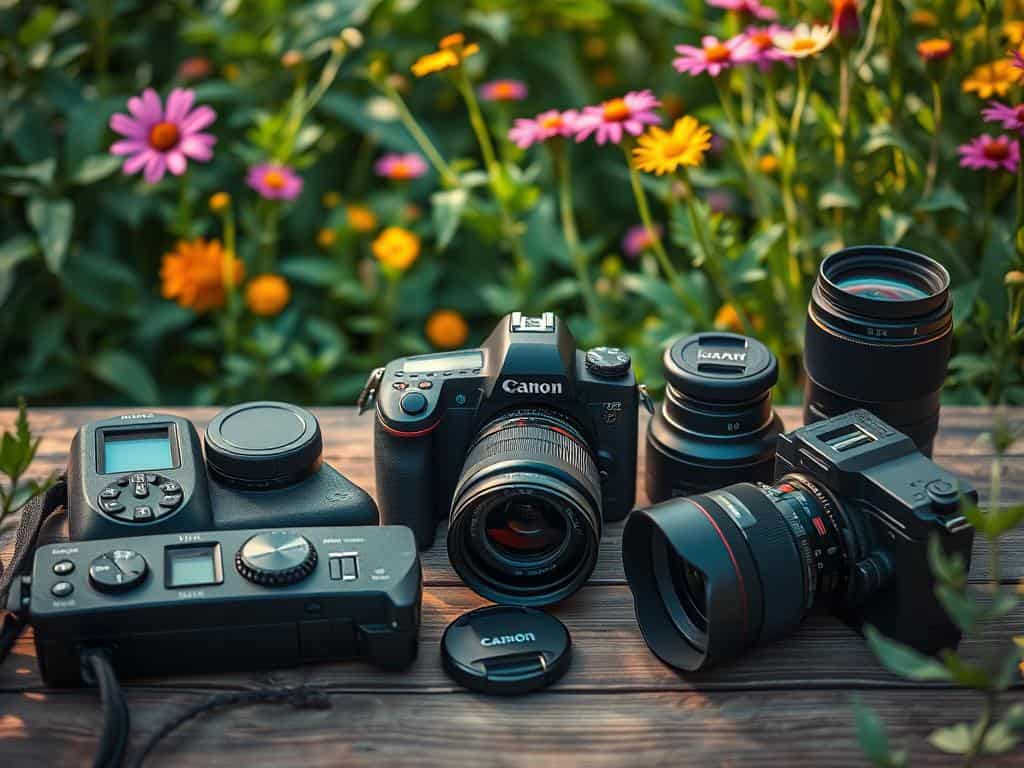
Nature Photography Techniques for Stunning Imagery
Mastering nature photography techniques can make your outdoor shots better. By focusing on capturing motion, my images become more lively and interesting. Using longer exposure times shows the energy in nature, like flowing water or moving clouds.
The right equipment is key. I often use my Tamron f2.8 90mm macro lens. It lets me explore more creative ideas and shows motion well.
Capturing Motion in Nature
To capture motion well, adjust your shutter speed. For example, slower shutter speeds on water create a dreamy look. Faster speeds freeze the action. Always watch the light; waiting for the right moment can make your photos stunning.
Excluding Distracting Elements from the Frame
Removing distractions is important. I simplify my shots by focusing on one thing and making it clear. This lets nature’s beauty stand out. Using a wide aperture blurs the background, making the subject pop.
Finding Unique Perspectives
Looking for unique views can make your nature photos stand out. Try different angles and heights for better shots. Shooting from low for flowers or high for landscapes can create amazing images. This approach turns everyday scenes into art.
Conclusion
As I finish this nature photography recap, it’s clear that we can improve our outdoor photography skills a lot. Learning about composition, mastering camera settings, and using different techniques helps us create amazing photos. Every photo I take is a chance to learn more and appreciate nature even more.
Using these outdoor photography tips can change how we see the world and help us care more about the environment. Nature photos don’t just look good; they make us feel something. They help people support conservation and get closer to nature. In fact, 71% of people are more likely to help protect nature after seeing powerful photos.
My aim is to make people feel a sense of duty and creativity when they take photos of nature. I want to encourage everyone to keep trying new things and to care for our planet. Let’s explore the beauty of the outdoors together, one photo at a time.
