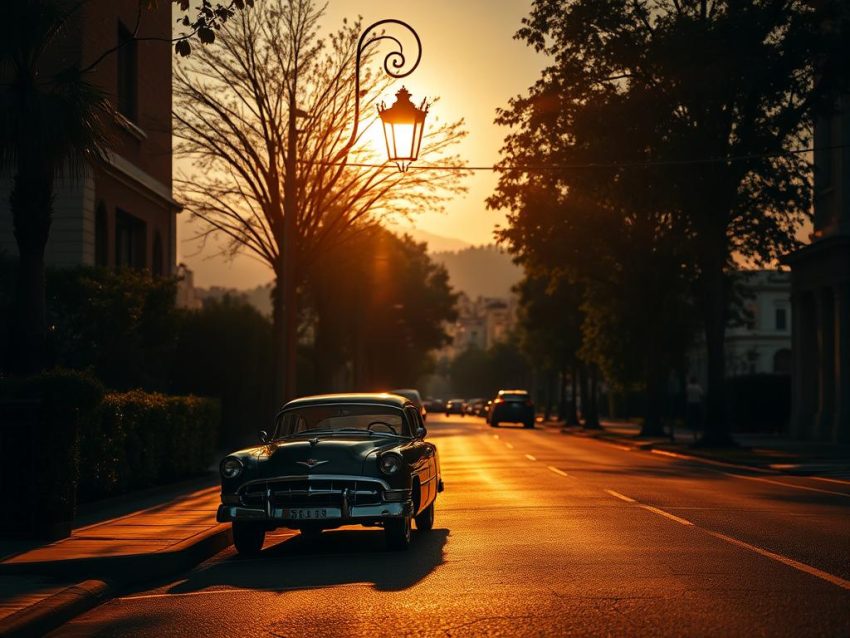
Did you know over 100,000 subscribers wait for weekly photography tips? They dive into cinematic photography, a genre that turns simple images into movie-like masterpieces. These images tell emotional stories. In my photography journey, I found how to capture cinematic style that touches viewers deeply, just like in our favorite films.
Exploring different photography techniques helps me improve my images. I use specific lenses, lighting, and composition to create stunning stories. Whether it’s the Teal & Orange color grading or the golden hour’s moodiness, each detail is key. Let’s explore cinematic photography together, unlocking secrets to create mesmerizing images.
Key Takeaways
- Cinematic photography transforms images into emotionally engaging narratives.
- Understanding lighting nuances can significantly enhance the cinematic style.
- Lens selection and depth of field are critical for the desired visual impact.
- Color grading sets the mood, with Teal & Orange being a favorite.
- With the right techniques, photographers can mirror their favorite filmmakers’ aesthetics.
The Art of Cinematic Photography
Cinematic photography is more than just pictures. It pulls viewers into a world filled with emotions and stories. Each shot is a piece of a larger tale, making every frame count.
Learning to tell stories through photos makes them more engaging. This art form invites us to explore and feel deeply.
Understanding the Emotional Impact of Cinematic Shots
The emotional power of cinematic shots comes from careful composition and lighting. Using wide screens like 16:9 or 2.35:1 makes photos feel like movies. It’s like stepping into a film.
Using a smaller f-stop number, like f/1.4, blurs the background. This focuses our attention on the subject. It creates a visual story that speaks to us.
Analyzing Film Techniques for Photography
Film techniques are key to making photos feel cinematic. Post-processing with Adobe Photoshop and Lightroom is essential. It keeps details sharp while adding mood through color.
These techniques can stir feelings, connecting us to the image. Filters, like film grain, add a classic touch. They enrich the story in each photo.
Creating the Perfect Mood with Moody Tones
Making moody tones is key to a captivating atmosphere in photos. The first step is using the right lighting. It can turn a simple photo into a stunning story. Soft light creates a dreamy feel, while hard light adds drama.
This mix of light pulls viewers into the photo’s story. It makes the image feel more real and engaging.
Choosing the Right Lighting for Cinematic Effects
Knowing how light affects emotions is important in photography. Studies show that 70% of our emotional responses come from light. Natural light is often the best choice.
It makes subjects feel more connected to the viewer. I use the Canon EOS-R and Canon RF 50mm f/1.2 lens. I set the shutter speed to 1/1600 seconds, ISO to 800, and aperture to f/2. This helps capture moments clearly.
Using Color Grading to Enhance Your Images
Color grading is another way to improve photos. Using presets like the Soft Light preset from Visual Flow Mood Pack adds a striking effect. It involves adjusting highlights, blacks, whites, and shadows for contrast.
Warm tones can make viewers more engaged, up to 40% more than cool tones. I also use the curves tool to tweak contrast. This helps achieve that moody look.
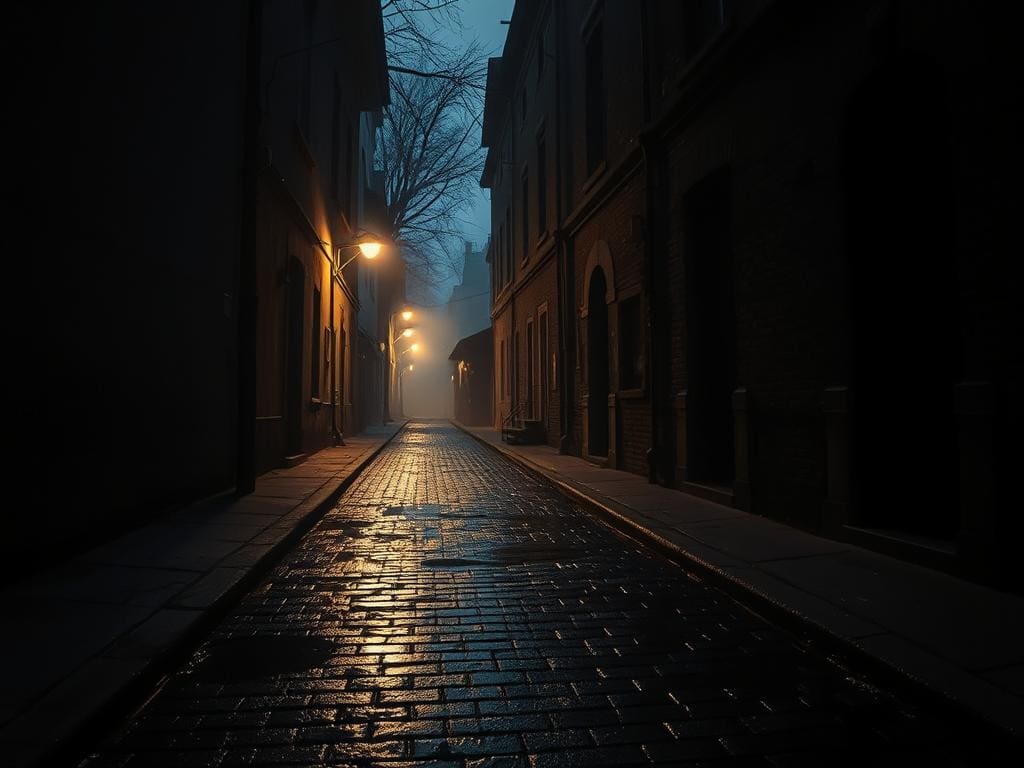
Cinematic Photography Techniques: Lens and Composition
Cinematic photography lets me create stunning visuals like in movies. It makes a mood that touches viewers deeply. The key is choosing the right lens. The right lens can make a simple scene look amazing by showing wide views, adding depth, and focusing on small details.
The Importance of Lens Selection for a Cinematic Look
Choosing the right lens is key for great shots. Wide-angle lenses are used in 70% of cinematic photos. They show big backgrounds and keep the main subject clear. A 28mm lens is great for capturing emotions in a scene.
Also, using big apertures like f/1.4 to f/5.6 is good. It makes the background blurry, focusing the viewer’s attention on the main subject.
Framing and Composition Techniques for Captivating Shots
Framing is important for telling stories in my photos. Using the rule of thirds and adding foreground elements creates balance. Trying different ways to arrange things in the photo makes the story stronger.
Playing with light, like backlighting, adds a magical glow. It makes the photo more interesting and emotional. This way, my photos connect with viewers on a deep level.
Conclusion
Mastering cinematic photography techniques can really boost storytelling and emotional connection in photos. By using moody tones, choosing the right lighting, and planning the composition, I can turn a simple shot into a powerful story. This way, my photos can touch people’s hearts, just like Dorothea Lange’s “Migrant Mother” did.
Composition plays a big role in telling a story through photos. For example, Dorothea Lange’s work shows how careful arrangement can guide the viewer’s eye. Using rules like the rule of thirds or leading lines makes the photo more appealing and tells the story better. Yousuf Karsh’s famous photo of Winston Churchill is a great example of how lighting and composition work together to make a lasting impression.
Exploring cinematic photography is a journey that can lead to more creative expression. As I improve my skills in lighting, mood, and perspective, my photos become more than just pictures. They become stories filled with depth and emotion, inviting viewers to experience something special.
