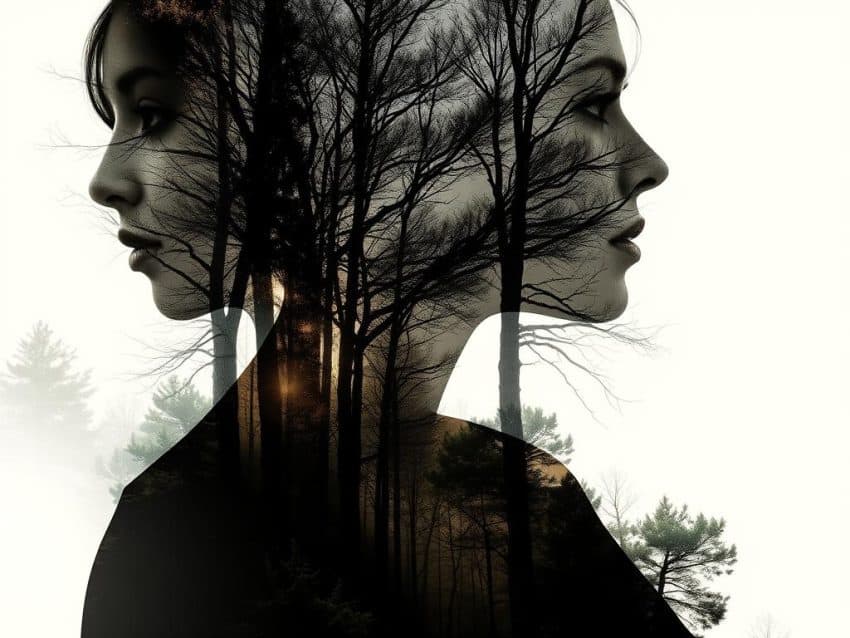
Did you know double exposure photography started in the 19th century? It was first called “spirit photography.” This technique lets photographers mix two images into one. It creates stunning, layered photos that tell a deeper story.
It became more popular thanks to Gjon Mill and film directors like Georges Méliès. With new technology, digital cameras and editing software like Photoshop have made it easier. In this guide, I’ll show you how to make amazing double exposure photos. We’ll cover in-camera techniques and editing methods to boost your creativity.
Key Takeaways
- Double exposure photography combines two distinct images for artistic effect.
- The technique has roots in the Victorian Era and has influenced numerous art forms.
- Modern cameras often feature settings specially for double exposure images.
- Edit photos using software like Lightroom and Photoshop for advanced creative control.
- Choosing contrasting elements enhances the emotional impact of double exposure images.
- Strong composition is key for captivating and balanced double exposure photographs.
- Practicing with different subjects and settings improves your double exposure skills.
Understanding Double Exposure Photography
Double exposure photography is a unique and creative technique. It combines two exposures into one image, revealing a deeper story or artistic idea. This method is loved by photographers who want to add a surreal or emotional touch to their work.
Definition and Concept
This technique overlays two images, creating a captivating story. It works with both film cameras and digital tools. By mixing different scenes or subjects, it boosts artistic expression and tells powerful stories.
Historical Background
The concept of double exposure started in the late 19th century, around 1898. It was first used in spirit photography, adding ghostly figures to portraits. Artists like Man Ray and László Moholy-Nagy later used it, making iconic surrealist images.
In movies, directors like Alfred Hitchcock used double exposure in films like “The Wrong Man” and “Psycho.” This showed its big impact on storytelling. As photography evolved, double exposure became a key part of art, including ads and album covers. It led to a lot of creative work in the digital age.
Techniques for Creating Double Exposure Photography
There are two main ways to make double exposure photos. You can use your camera’s settings or edit them later with software. Each method has its own benefits, letting photographers pick what works best for them.
In-Camera Method
Many cameras, like DSLRs and mirrorless ones, have a multiple exposure mode. To use it, look for the in-camera double exposure option in your DSLR settings. This method lets you mix two images together. You can choose how they blend, like “Additive” or “Average,” to get different looks.
The *Canon 5D Mark III* is a good example. It lets you mix up to two images, giving you room to experiment.

Post-Processing with Software
For more control, editing software like Adobe Photoshop or GIMP is great. With Photoshop tips, you can layer images and use GIMP techniques to merge them smoothly. Try blending modes like “Overlay” or “Soft Light” to get interesting effects.
Tools like layer masks help fine-tune your image. Adjusting the opacity and using other editing tools can make your double exposure even better. This method is perfect for those who want to explore the limits of double exposure.
Tips for Captivating Double Exposure Images
Creating captivating double exposure images requires careful thought. It’s about choosing the right elements and how they fit together. By picking images with contrasting elements, I make the final piece more interesting. This contrast creates a dynamic effect, with light and dark areas working together.
Choose Contrasting Elements
When starting a double exposure project, I look for images with contrasting elements. This makes simple images into engaging artworks. For instance, combining a silhouette with a detailed texture creates striking contrasts.
Silhouettes against busy backgrounds work well for this. They make the image memorable. Trying different subjects, like landscapes and portraits, also improves the outcome.
Maintain a Strong Composition
Good photography composition is key to double exposure success. I make sure the base image is solid, and the overlay adds texture and depth. This way, the two images blend well, touching the viewer’s heart.
Using creative edits lets me find new meanings in everyday things. This approach adds depth and makes the images stand out.
Conclusion
Mastering double exposure photography opens a world of creative possibilities. It lets me mix visuals in new and exciting ways. This art form pushes me to experiment and create stunning images that make people curious.
Learning about exposure settings and what’s in the frame is key. It helps me make images that are truly mesmerizing. I’ve tried different techniques, from adjusting settings in the camera to editing in Photoshop.
Starting with black and white film is a good idea. It has a wide range of exposure, making it perfect for learning. Even though results can vary, the process is all about creativity and trying new things.
Embracing double exposure photography has made me a better photographer. It’s not just about taking pictures; it’s about telling a story. Whether I’m using a manual camera or digital tools, each shot is a chance to explore and express myself.
The world of double exposures is full of endless possibilities. It gives me a fresh view on photography. Every attempt is a chance to discover something new and beautiful.
