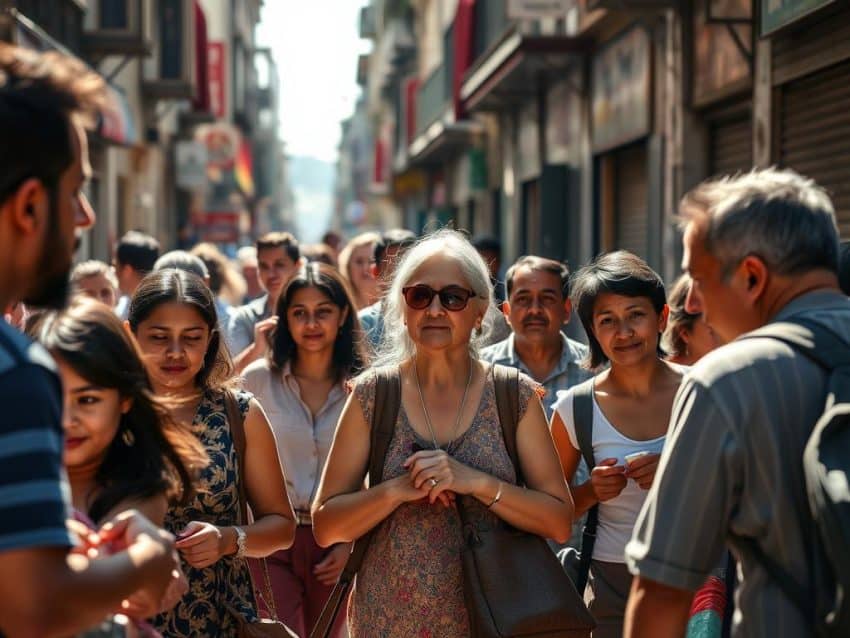
Did you know that daily photo projects during shelter-in-place orders captured lives and provided history for the future? This shows how documentary photography is a close look at real life. It reveals the beauty and chaos in our daily moments.
My journey in documentary photography started as a mom wanting to keep my children’s moments alive. It grew into a way to stay connected to my family and follow my passion. I learned that the key is being real—capturing moments as they happen, not staged.
Each photo tells a story, connecting with viewers in a way staged images can’t. In documentary photography, knowing when to capture the whole scene adds depth. Using the Rule of Thirds and mastering natural light are key to telling stories through photos.
Key Takeaways
- Daily documentary projects can capture historical moments for future generations.
- Using 4000 ISO is recommended for indoor shooting to optimize exposure in low light.
- The Rule of Thirds can enhance composition by creating focal points.
- Capturing children from eye level increases emotional engagement.
- Inclusion of entire scenes adds context, enriching storytelling.
- Anticipating behaviors can lead to capturing authentic documentary moments.
The Essence of Documentary Photography
Documentary photography shows real life as it happens. It’s not just about taking pictures; it’s about capturing true moments. To do this, you need to connect with your subjects and be part of the scene.
Every photo tells a story. These stories touch our hearts and make us feel something real. It’s amazing how a single photo can share so much.
Understanding Real Life Through a Lens
The heart of documentary photography is showing life as it is. Each photo is a story, inviting us to feel what the subject feels. It could be a happy child or a tired worker.
By being true to life, I create images that speak to us. These photos show the beauty in everyday moments. They connect us on a deeper level.
The Chaos and Mundane: Finding Beauty in Everyday Moments
Life is full of ups and downs, emotions and experiences. Sometimes, these moments seem ordinary. But, I believe in finding beauty in the everyday.
I look for the beauty in the chaos. Documenting these moments shows the elegance in the mundane. It’s about seeing the world through a different lens.
Staying True to the Scene: The Non-Interference Approach
Documentary photography means not changing the scene. I let life happen naturally. This builds trust with my subjects.
It leads to more honest and powerful photos. I capture life as it is, without adding anything extra. This way, I tell stories that are true to reality.
Techniques for Capturing Candid Shots
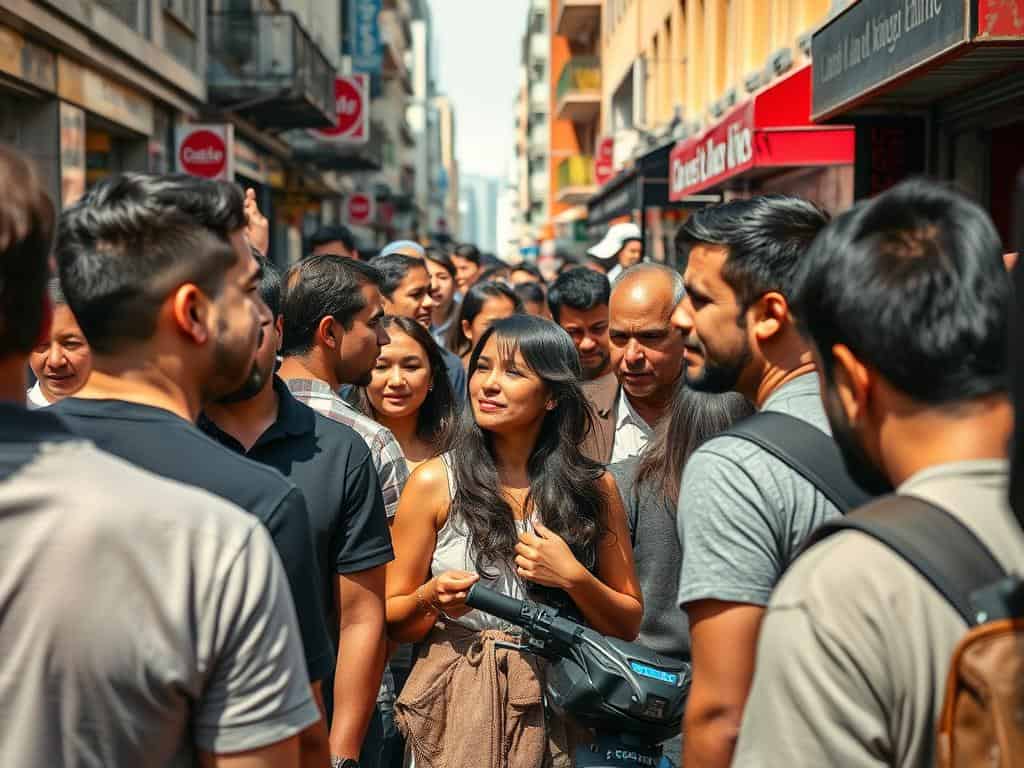
Capturing candid shots in documentary photography needs some key techniques. Knowing good composition rules makes my photos more impactful and tells a better story. Using the rule of thirds and leading lines helps guide the viewer’s eye.
Getting close to my subjects creates a real connection. This connection brings out authenticity and emotion in my photos.
Mastering Composition for Impactful Visuals
Understanding composition is vital for making strong images. I use different composition rules to improve my work. The rule of thirds frames subjects in a dynamic way.
Leading lines draw attention to important parts of the scene. This makes my shots visually appealing and engaging.
Harnessing Natural Light to Enhance Your Photos
Natural light is key in photography as it sets the mood and character of images. I use the light available to bring out textures and colors. This makes my photos feel fresh and immersive.
By observing how light affects my subjects, I create images that grab the viewer’s attention.
Anticipating the Decisive Moment: Timing Your Shot
Knowing the decisive moment is critical in candid photography. It’s about capturing the exact moment of an event. Being able to read situations and anticipate actions is key.
Patience and focused observation help me spot those critical moments. This is what makes my photos special.
Exploring Essential Camera Settings for Documentary Photography
Knowing your camera settings is essential for outdoor candid photography. I start with a shutter speed of at least 1/250th of a second to freeze motion. Aperture settings of around F8 help keep multiple subjects sharp.
Adjusting ISO levels, starting at 800 on sunny days, helps with different light conditions. This mix of camera settings and artistic vision is important for capturing real moments.
Conclusion
Capturing powerful documentary photos is about more than just taking pictures. It’s about understanding the stories behind everyday moments. Each photo has a story waiting to be seen by others.
Using techniques like composition and natural light helps me show life as it really is. I aim to capture the truth in every shot. This way, I celebrate the raw beauty of life.
By embracing the imperfections in my photos, I share real experiences. This helps people connect with each other on a deeper level. Documentary photography has a long history, from the American Civil War to today.
Photos like Dorothea Lange’s “Migrant Mother” have changed the world. They’ve shown us the struggles of others and moved us to action. These images are powerful tools for change.
A photo essay can bring people together and highlight important issues. As documentary photographers, we work hard to tell long-lasting stories. Every photo we take has the power to change someone’s view of the world.
