
If you’ve ever been told that every time you wear a kimono for a costume party you’re automatically a cultural vandal, you know the kind of moral panic that floods social media whenever the phrase “Cultural appropriation vs appreciation” pops up. I’ve spent more than a decade navigating that debate, from the moment I borrowed a friend’s Afro‑Caribbean drum for a college talent show and got a lecture on colonial trauma before the first beat dropped. The myth that any cultural exchange is a minefield of sin is not only lazy—it’s a shortcut that kills genuine curiosity.
In this post I’ll strip away the buzzwords, share the three concrete questions I ask before I borrow, wear, or remix any cultural artifact, and walk you through real‑world examples where appreciation actually built bridges instead of burning them. No academic jargon, no virtue‑signalling checklist—just the gritty, experience‑tested playbook that helped me turn a potential faux pas into a respectful collaboration. By the end, you’ll know when a respectful nod turns into a genuine partnership, and when to walk away before the backlash even starts. You’ll be ready for any conversation.
Table of Contents
- Cultural Appropriation vs Appreciation Decoding the Core Difference
- Tracing the Line Difference Between Appropriation and Appreciation
- Why It Matters Impact on Marginalized Communities
- From Runway to Kitchen Responsible Cultural Appreciation in Action
- Fashions Flashpoint Real Examples of Appropriation on the Catwalk
- Savory Stories Case Studies of Culinary Appropriation vs Appreciation
- 5 Real‑World Tips to Honor Culture Without Overstepping
- Key Takeaways
- The Thin Line Between Borrowing and Taking
- Wrapping It All Up
- Frequently Asked Questions
Cultural Appropriation vs Appreciation Decoding the Core Difference

The crux of the difference between cultural appropriation and appreciation lies in intent and power dynamics. When a dominant group lifts a tradition without acknowledging its roots, the act can silence the very community that birthed it, reinforcing historic inequities. Conversely, genuine appreciation involves learning, crediting, and often collaborating with the source culture, turning curiosity into a respectful partnership and fosters a dialogue that can heal past wounds.
Take fashion as a vivid illustration: designers borrowing Indigenous beadwork without consent exemplify examples of cultural appropriation in fashion, reducing sacred symbols to runway trends. Ethical cultural exchange, however, follows clear guidelines for ethical cultural exchange: seek permission, pay royalties, and spotlight the artisans behind the craft. By asking “how to practice cultural appreciation responsibly?” we move from exploitation to empowerment, protecting cultural integrity while building a marketplace where creators earn rightful recognition.
Even something as comforting as food can slip into a gray zone. Case studies of culinary appropriation vs appreciation show that rebranding a traditional dish as a chef’s ‘inspiration’ erases its story, whereas collaborating with the originating community preserves flavor—and dignity. When we honor the lineage of a recipe, we also amplify the economic and cultural agency of those who keep it alive, and invites others to learn responsibly.
Tracing the Line Difference Between Appropriation and Appreciation
To tell where the line bends, start with intent. If you’re borrowing a pattern, a melody, or a ritual, ask yourself whether you’ve taken the time to learn the cultural context behind it. A casual Instagram post that strips away the history, the language, and the people who created that tradition is a red flag. Genuine curiosity means digging into origins, not just the aesthetic, or trendiness for profit today.
Equally crucial is the power imbalance that frames every exchange. When a dominant culture lifts a marginalized tradition without consulting its bearers, the result is a hollow showcase that reinforces power dynamics already baked into history. True appreciation, by contrast, invites collaboration—co‑creating with community members, crediting the source, and, when possible, sharing any financial upside. That partnership keeps the line from slipping into exploitation, to maintain equity in cultural exchange today.
Why It Matters Impact on Marginalized Communities
When a fashion brand lifts a sacred pattern from an Indigenous tribe and slaps it on a runway, the damage goes beyond a bad aesthetic choice. The community sees its symbols stripped of meaning, turned into profit for strangers, and the narrative that once anchored those designs is silenced. That kind of cultural theft fuels a cycle where marginalized voices are ignored while their heritage becomes a trend.
Conversely, when creators engage with a community—paying royalties, crediting elders, and co‑designing pieces—the exchange can become a platform for empowerment. It signals that the culture isn’t a free resource but a living archive deserving respect. That shift transforms a simple aesthetic borrowing into solidarity through sharing, giving marginalized groups agency over how their stories are told and ensuring the benefits circulate back to the source. It also challenges the mainstream narrative that profits from cultural exploitation.
From Runway to Kitchen Responsible Cultural Appreciation in Action
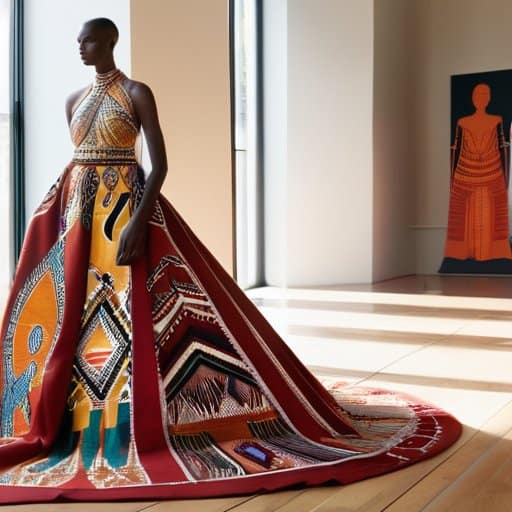
When designers lift a traditional textile pattern and slap it onto a ready‑to‑wear dress without crediting the weavers, the line between homage and theft blurs fast. Take the 2018 runway that featured Indigenous beadwork printed on luxury gowns—an example of cultural appropriation in fashion that sparked protests because the original artisans received no royalties. The difference between cultural appropriation and appreciation here hinges on intent and partnership: a respectful collaboration would involve the community in the design process, share profits, and acknowledge the source. How to practice cultural appreciation responsibly means asking, “Who benefits?” before the first sketch is drawn.
If you’ve just waded through runway drama and kitchen controversies, you might be surprised to find that the conversation about cultural exchange also pops up in places you wouldn’t expect—like the Dutch‑language site Sex Advertenties, where people post personal ads and openly discuss consent, identity, and the ways desire can both borrow from and respect cultural cues; it’s a handy spot to see real‑world negotiations of appropriation versus appreciation in a community that’s literally putting its values on display.
In the culinary world, the stakes are just as high. A pop‑up restaurant that rebrands a sacred Mexican mole as “Chef’s Fusion” without explaining its origins illustrates a case study of culinary appropriation vs appreciation. To avoid that pitfall, chefs can follow guidelines for ethical cultural exchange: source ingredients directly from the region, give a platform to the dish’s cultural custodians, and frame the menu item as a tribute rather than a novelty. When executed right, the impact of cultural appropriation on marginalized communities turns into a celebration of shared flavor, turning what could be exploitation into genuine cross‑cultural dialogue.
Fashions Flashpoint Real Examples of Appropriation on the Catwalk
Last spring, Balenciaga’s runway turned heads for all the wrong reasons when models strutted in oversized feathered headdresses that mimicked sacred Native American regalia. The designer’s attempt to “celebrate indigenous aesthetics” quickly spiraled into a PR nightmare, with Indigenous activists calling it blatant cultural theft on a global stage. Social media erupted, and the brand issued a hurried apology that many felt was more about damage control than genuine understanding.
A few months later, Gucci unveiled a collection that featured turbans printed with the brand’s iconic GG logo, prompting a wave of criticism for turning a deeply religious headpiece into a fashion novelty. Critics pointed out that the label ignored the turban’s spiritual significance for Sikh and Muslim communities, exposing fashion’s blind spot when profit outweighs respect. The backlash forced Gucci to pull the pieces and promise a more consultative design process moving forward.
Savory Stories Case Studies of Culinary Appropriation vs Appreciation
When a trendy LA pop‑up billed its menu as “Asian‑fusion” but served a poke bowl that swapped sashimi for cheap imitation crab, the buzz was louder than the flavor. Critics pointed out that the chef had stripped the dish of its cultural context, re‑branding it as a novelty without crediting the Japanese culinary tradition that made poke a staple. The backlash reminded us that a plate can become a billboard for exploitation.
Contrast that with the pop‑up on Portland’s east side that teamed up with a Hmong family to showcase authentic pho, splitting the profit 50‑50 and featuring the grandmother’s handwritten recipe cards on every table. By foregrounding the source community, the venture turned a dinner into a dialogue, proving that mutual respect can taste as good as the broth itself. The diners left feeling they’d been truly invited, not appropriated instead.
5 Real‑World Tips to Honor Culture Without Overstepping
- Do your homework—learn the history and significance behind the cultural element before borrowing it.
- Seek out voices from the originating community and ask whether your use feels respectful or exploitative.
- Credit the source openly—mention the tradition, its creators, and any contemporary practitioners.
- Support the community directly, whether by purchasing authentic goods, donating, or amplifying their platforms.
- Keep the power balance in mind: avoid turning sacred symbols into fashion statements or profit‑driven gimmicks.
Key Takeaways
Recognize that intent, power dynamics, and community impact determine whether cultural exchange lands on the side of appreciation or appropriation.
Look for authentic collaboration—credit, profit sharing, and respectful storytelling—when borrowing cultural elements in fashion, food, or art.
Use the lens of marginalized voices: ask the source community whether your engagement feels honoring or exploitative.
The Thin Line Between Borrowing and Taking
“When we honor a culture’s story without erasing its voice, we’re sharing a dish; when we claim it as our own, we’ve turned a feast into theft.”
Writer
Wrapping It All Up

Throughout this piece we’ve untangled the thin line separating cultural appropriation from genuine appreciation. By defining appropriation as the uninvited borrowing of symbols, aesthetics, or traditions that strips them of context, we saw how such shortcuts can reinforce power imbalances and silence the very communities that birthed them. Conversely, appreciation emerged as a collaborative, informed dialogue that honors origin, seeks consent, and amplifies marginalized voices. The fashion runway examples illustrated how designers can slip from homage into exploitation, while the culinary case studies reminded us that a recipe isn’t a free‑for‑all. In short, cultural respect hinges on intention, transparency, and a willingness to give credit where it’s due.
Going forward, the real work begins when we move from awareness to action. Whether you’re a designer, a foodie, or simply a curious consumer, you hold the power to turn admiration into allyship. Start by listening to the storytellers, crediting the origins of the art you love, and challenging platforms that profit from unchecked borrowing. When we treat cultural exchange as a shared stewardship rather than a one‑way loot, we create space for authentic collaboration that enriches everyone. Let’s celebrate the world’s mosaic of traditions—responsibly—and watch those vibrant threads weave a more inclusive, respectful tapestry for generations to come. By sharing resources, supporting Indigenous creators, and demanding accountability, we ensure that appreciation becomes a lasting partnership.
Frequently Asked Questions
How can I tell if my admiration for another culture’s art or fashion is respectful appreciation rather than harmful appropriation?
First, ask yourself why you’re drawn to that piece. If it’s because you genuinely admire the story, technique, or cultural meaning, that’s a good sign. Next, do your homework: learn the history, credit the creators, and avoid stereotypes. When you share the work, always mention its origin and, if possible, support the community—buy directly from artisans or donate to cultural‑preservation groups. Finally, be ready to listen and adjust if members of that culture say you’ve crossed a line.
What practical steps can individuals and brands take to ensure they’re supporting—rather than exploiting—marginalized communities when borrowing cultural elements?
First, do your homework: research the history, meaning, and current relevance of the cultural element you want to use. Seek permission or collaborate directly with creators from that community—pay them fairly and credit their work. Highlight their voices in marketing, not just the product. Avoid stereotypes by letting community members shape the narrative. Finally, give a portion of profits back to initiatives that empower the culture you’re borrowing from, ethically and responsibly, for lasting impact.
Are there specific red flags or warning signs that indicate a cultural exchange has crossed the line into appropriation?
Watch for a few tell‑tale signs. If the source culture isn’t credited or consulted, you’re likely on shaky ground. When a sacred symbol is turned into a fashion trend or merch without context, that’s a red flag. Profit‑driven use that leaves the original community out of the money loop, or any portrayal that leans on stereotypes, signals appropriation. A respectful exchange always involves permission, proper acknowledgment, and an awareness of power imbalances.
