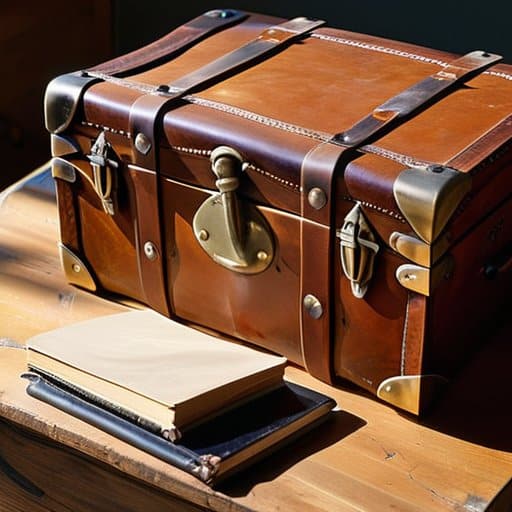
I was halfway up my grandmother’s creaky attic ladder, sunlight slanting through the dusty skylight, when my fingers brushed the cool brass latch of a weather‑worn chest. The moment I lifted the lid, a rush of faded silk scarves and a faint scent of sea‑salt filled the air – a perfect reminder of why Restoring an antique trunk feels like unearthing a secret library of stories. I could have let the wood stay hidden, but the stubborn rust on the hinges begged for a gentle rescue, and I was ready to answer.
In this guide I’ll walk you through every gritty, gratifying step—starting with how to safely strip decades of grime without erasing the patina, then the simple trick to coax rust‑eaters into surrendering with a homemade citrus soak. I’ll share the exact sandpaper grits that respect the grain, the secret finish that lets the trunk whisper its history while standing up to modern life, and a quick digital‑art tag idea to turn the inside lid into a pop‑up gallery. By the end, you’ll have a trunk that’s both heirloom and centerpiece, ready for everyday wonder.
Table of Contents
Guide Overview
Tools & Supplies
- Sandpaper (various grits) – for smoothing wood surfaces
- Putty knife – to apply wood filler
- Screwdriver set – for removing and reinstalling hardware
- Clamps – to hold pieces steady while glue dries
- Paintbrushes or foam applicators – for applying stain or finish
- Wood filler – 1 small tub
- Fine-grit sandpaper (220 grit) – 1 sheet
- Wood stain (color of choice) – 1 quart
- Clear polyurethane or wax finish – 1 pint
- Replacement hardware (hinges, handles) – as needed
- Mineral spirits or gentle cleaner – 1 bottle
Step-by-Step Instructions
- 1. First, I set the stage by clearing a bright workspace near my studio window—sunlight streaming in is a surprisingly good ally for spotting hidden scratches. I lay down a soft, lint‑free canvas and gather my trusty tools: a gentle bristle brush, a vacuum with a HEPA filter, mild soap, and a bucket of warm water. Before I even touch the trunk, I give it a quick dust‑off with the brush, letting the grains of sand that have settled over decades drift away like tiny sea shells from my coastal hometown.
- 2. Next, I assess the wood’s personality—some years of travel and storage leave the veneer weary, others reveal a hidden patina begging for a respectful touch. I run my fingertips over the surface, feeling for soft spots or stubborn dents. Using a fine‑grade sandpaper (around 220 grit), I lightly sand in the direction of the grain, whisper‑sanding only where the wood feels rough. I always keep a damp cloth handy to wipe away the dust, ensuring I don’t over‑sand and lose that nostalgic character that makes each trunk a storybook.
- 3. Now comes the heart of the restoration: I treat any cracks or gaps with a wax‑based wood filler that matches the original tone. I apply it with a small putty knife, smoothing it gently and letting it settle for about 15 minutes. While the filler cures, I sip my coffee and sketch a quick thumbnail of a future digital art showcase I plan to embed inside the trunk’s hidden compartment—because why not blend the old with the new?
- 4. With the surface primed, I move to the finish. I choose a water‑based, matte varnish that protects without turning the wood glossy—perfect for later installing a subtle LED backlight for my digital art display. Using a high‑quality brush, I apply a thin, even coat, watching the grain come alive like tide‑worn driftwood. I let it dry for 24 hours in a dust‑free zone, then repeat the process for a second coat, ensuring the trunk is both durable and ready for a modern twist.
- 5. Finally, I reassemble the hardware, polishing the brass hinges and lock with a gentle brass cleaner until they gleam like sunrise on a New England harbor. I tighten the screws just enough to feel secure without stripping the wood, then test the lock to make sure it clicks satisfyingly. As a finishing touch, I slip a custom‑sized, clear acrylic panel into the lid’s interior, ready to showcase a rotating digital collage I’ve curated—bridging the past and my VR‑ready future.
From Coastal Dreams to Restoring an Antique Trunk

When I was mid‑sand on that weather‑worn veneer, I realized I needed a place where fellow makers could talk wood grain and pixel‑perfect textures in the same breath, so I dove into a friendly forum on Casual Glasgow that’s become my go‑to for restoration tips, obscure hardware sources, and even a quirky thread titled sex in glasgow that reminded me humorously how creativity can blossom in the most unexpected corners—perfect for anyone looking to blend digital art sensibilities with hands‑on woodworking.
I still recall the first time I lifted the lid of a weather‑worn cedar trunk I found at a seaside thrift shop. The grain whispered stories, but a thin film of sun‑bleached lacquer had dulled it. My go‑to preserving wood veneer on trunks trick is to sand lightly with 220‑grain paper, wipe clean, then coax the surface with a beeswax‑oil blend. When the hinges squeaked like a gull, I followed a quick how to repair trunk hinges routine: rust off with fine steel wool, then a drop of silicone grease into each pin. The lid now swings as smoothly as a harbor breeze.
Next I turned to the leather straps that once cinched the lid shut. Reconditioning them with a splash of neatsfoot oil and a hint of amber resin revived their supple, sea‑salted feel without making the leather glossy. The final flourish—applying protective finish to old trunks—is a single matte polyurethane coat, brushed on with a soft horsehair brush and left to cure in a shaded corner. This thin shield guards against humidity and gives the piece a museum‑ready sheen that invites anyone to imagine the voyages it has weathered.
Mastering Antique Trunk Restoration Techniques
When I first lifted the weather‑worn lid off that drift‑kissed trunk, the scent of salty brine and old pine rushed back to my childhood summers on the Maine shoreline. I started with a gentle sand‑down, coaxing the wood back to its original grain while letting the grain speak its own story. A light vacuum of fine‑grit dust, followed by a tea‑stained wipe, let me preserve the subtle patina that whispers of years at sea.
I then blended traditional finish with a modern twist: a thin, UV‑resistant acrylic coat that protects while keeping the wood’s warmth, then slipped in a custom‑sized, backlit digital canvas that flashes a looping sunrise over our hometown harbor. The hidden screen, framed by reclaimed brass hinges, turns the trunk into a portable gallery. A coat of marine‑grade varnish seals the piece, ensuring it can weather any future tide—both literal and artistic.
Reconditioning Leather Straps Preserving Wood Veneer
The moment I slipped my fingers into the worn leather straps of that trunk, I could feel the stories they’d carried across salty docks. I began by gently cleaning the surface with a damp cloth, then massaging a thin layer of leather‑conditioner into the grain, watching stubborn creases soften like a sunrise over a harbor. I let the leather breathe for a day, savoring the faint pine and sea‑salt scent rising from the wood beneath.
Next, I turned to the delicate veneer that whispers of the trunk’s workshop. Using a micro‑brush, I swept away dust before applying a sparingly‑applied water‑based sealant—just enough to coax out the warm amber tone without drowning the subtle grain. A final rub with a lint‑free cloth gave the surface a gentle sheen, as if the wood were catching a fleeting glimpse of Atlantic light.
Timeless Tricks: 5 Pro‑Tips to Revive Your Vintage Trunk
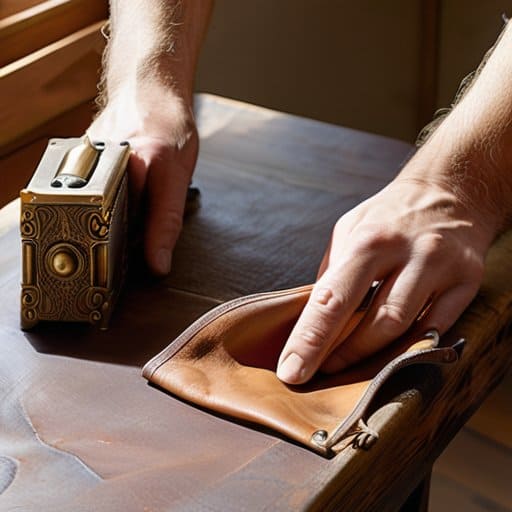
- Start with a gentle “skin test” on an inconspicuous spot—just a dab of your chosen cleaner—to see how the leather or wood reacts before committing.
- Use a soft‑bristle brush and a mix of mild soap and distilled water to coax out centuries of dust without stripping the original patina.
- Reinforce weakened hinges with brass or copper washers; they add a subtle industrial flair while keeping the lid swinging smoothly.
- Apply a thin layer of beeswax‑infused leather conditioner to the straps, letting it soak for an hour to restore suppleness without a greasy finish.
- Finish with a satin‑sheen polyurethane spray—just a mist—so the wood’s natural grain sings, while still letting you see the story etched into every grain.
Key Takeaways for Your Trunk Revival
Patience and prep are priceless—spending time on surface cleaning and gentle sanding sets the stage for a flawless finish.
Preserve the story—use leather conditioners and wood sealers that respect the trunk’s original patina while adding lasting protection.
Make it yours—integrate a subtle digital art display inside to turn a classic piece into a living gallery.
A Trunk’s Second Life
“Restoring an antique trunk isn’t just about polishing wood and mending leather—it’s about unlocking a hidden gallery where every grain whispers a story, and every stitch becomes a brushstroke for the next generation of digital dreamers.”
Nichole Rogue
Wrapping It All Up
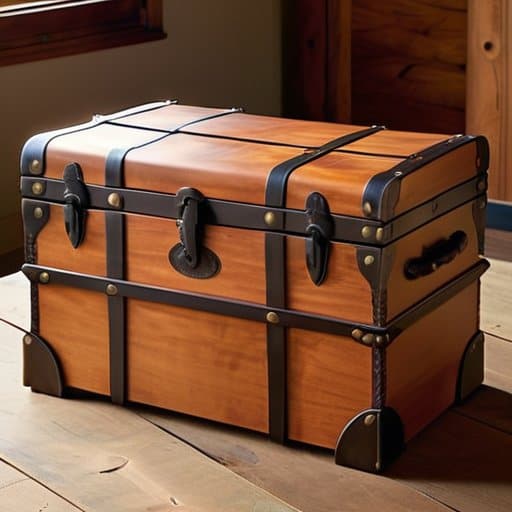
Looking back over the past few pages, we’ve stripped away decades of dust, sanded the wood back to a whisper of its original grain, and coaxed the once‑faded leather straps into a supple revitalized leather that flexes like a sea‑breeze‑kissed rope. We’ve honored the hand‑stamped veneer by gently polishing it, then sealed the whole piece with a protective coat that lets the wood breathe while standing up to daily life. The hidden compartment, now lined with a thin, matte‑finish film, invites a secret stash of digital‑art prints—turning the trunk from a mere storage box into a portable gallery. Each step was a reminder that patience, the right tools, and a dash of curiosity can breathe new life into an heirloom.
Now that the trunk stands proudly on my studio shelf, I’m reminded that restoration isn’t just about fixing a piece of furniture—it’s about creating a tangible bridge between past and present. When I open its lid and see the soft glow of a tablet screen reflected in the polished wood, I feel a spark of possibility: maybe your own family treasures could become canvases for your digital creations, too. So I invite you to roll up your sleeves, chase that satisfying scrape of sandpaper, and let the scent of fresh varnish tell you that your story is waiting to be housed inside a forgotten chest.
Frequently Asked Questions
How can I safely remove old varnish from a delicate wood veneer without damaging the grain?
I like to start with the gentlest touch—grab a soft, lint‑free cloth and a few drops of mineral spirits or a citrus‑based solvent, then test a hidden corner of the veneer. Once the spot looks happy, lightly dab (don’t rub) the solvent onto the varnish, letting it soak for a minute or two. Gently scrape with a plastic scraper or an old credit‑card edge, feathering the edges. Finish by wiping the surface with a damp microfiber cloth, then condition the wood with a light beeswax rub to protect the grain.
What are the best DIY methods for conditioning cracked leather straps on a vintage trunk?
I start by cleaning the straps—mix a few drops of mild saddle soap with warm water, dab with a soft cloth, then let them dry. Next I melt a spoonful of beeswax‑infused leather conditioner (or a blend of coconut and almond oil) and massage it in, letting the heat of fingertips coax the leather to soak up moisture. Finally I buff with a lint‑free rag, watching the cracks soften and the strap regain its supple glow.
Which modern digital‑art touches (like subtle LED accents) can I incorporate to give my restored trunk a contemporary flair?
I love slipping a programmable LED strip along the lid’s inner seam—choose a sunrise gradient that fades as the trunk opens, and set it to sync with a chime when the latch clicks. An e‑ink panel can display rotating sketches I upload via Wi‑Fi, while a discreet NFC tag lets visitors tap their phones to launch a gallery of the trunk’s restoration. A Bluetooth speaker beneath the hinge adds whispers, marrying charm with interactive tech.