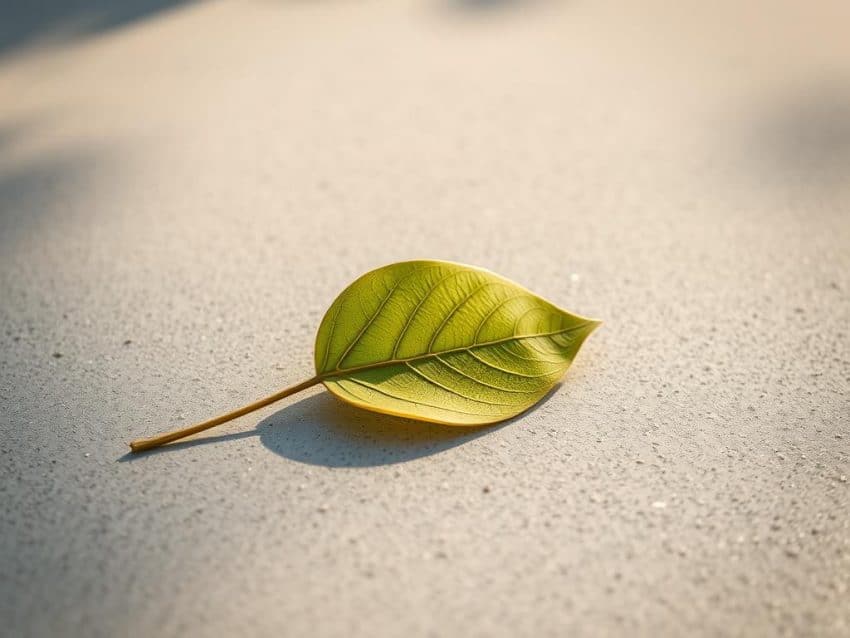
Did you know minimalist photography started in the 1950s? It’s become very popular because it can make us feel deeply with simple pictures. Photographers follow the rule ‘less is more’ by removing extra stuff. This lets the few objects in the picture stand out and tell a story.
Many famous photographers, like Hiroshi Sugimoto and Mark Meyer, have shown how a simple shot can be powerful. They use a clean background to make the subject shine and tell a story.
In the next parts, we’ll dive into the basics of minimalist photography. We’ll look at key principles, important shooting tips, and how these images can deeply move us. Whether you’re just starting or have been doing it for years, you’ll learn to see the beauty in simple images.
Key Takeaways
- Minimalist photography emphasizes simplicity and clarity in visual arts.
- Effective use of negative space can enhance a composition’s impact.
- Strategically utilizing simple backgrounds draws focus to the subject.
- Limitations in elements often lead to more powerful emotional connections.
- Renowned photographers have showcased the versatility of this art form across genres.
Understanding Minimalist Photography
Minimalist photography is a unique form of visual art that focuses on simplicity. It removes unnecessary details, highlighting just a few key elements. This approach makes the viewer feel closer to the subject, revealing deep emotions and meanings.
Defining Minimalism in Visual Arts
Minimalist photography emerged in the 1960s as part of the broader minimalist movement. It uses negative space to make a strong impact. Artists like Michael Kenna and Hiroshi Sugimoto have shown how it can evoke powerful feelings.
Using black and white helps focus on composition and structure. It lets the viewer see the important details clearly.
Why ‘Less is More’ Matters
The idea ‘less is more’ is at the core of minimalist photography. It creates a stronger connection with the viewer. By removing distractions, photographers make images that stay with you long after you look away.
A simple portrait can evoke deep feelings, showing the power of simplicity. In social media, where grabbing attention is key, minimalist photography stands out. It delivers a clear message without clutter.
Shooting Techniques for Minimalist Photography
Mastering minimalist photography means knowing specific techniques. These focus on clear shots and composition. By doing so, I share my vision without distractions.
These methods not only improve my photos but also let viewers see the beauty of simplicity.
Importance of Clean Shots
Clean shots are key in minimalist photography. I find the perfect frame and angle for my subject. This makes it stand out.
Clear backgrounds help too. They contrast with the subject, making it more noticeable. Using the rule of thirds helps place the subject right, creating a strong image.
Using Simple Backgrounds to Enhance Subjects
A simple background is vital in minimalist photography. I choose backgrounds that don’t compete with the subject. This helps focus the viewer’s attention.
Blank walls or soft natural settings add elegance to my photos. These choices follow the minimalist philosophy, creating strong emotions through simplicity.
Utilizing Empty Space Effectively
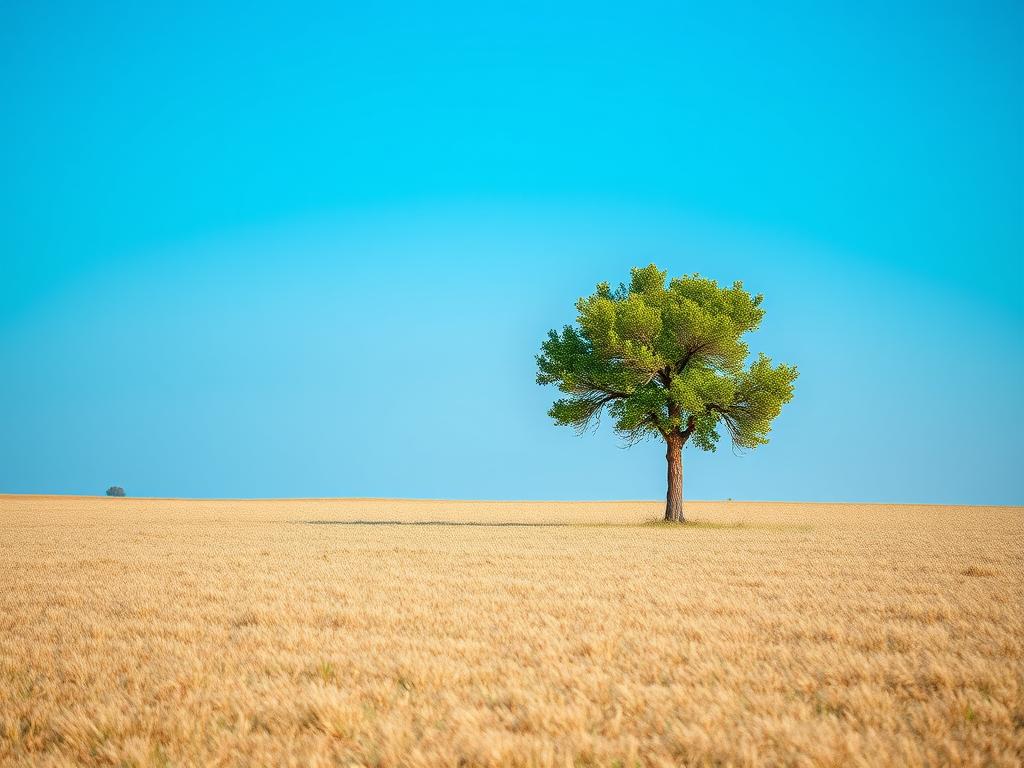
Empty space, or negative space, is a key technique. It involves leaving parts of the frame blank. This balance highlights the subject against the empty space.
It guides the viewer’s gaze and can create a sense of isolation. A single object against a vast background can tell a powerful story.
Impact of Minimalist Photography
Minimalist photography has a unique power to stir emotions with just a few elements. When a single subject fills the frame, it boosts the emotional impact. This makes the viewer’s interpretation richer and deeper.
I often take pictures of lone figures against huge landscapes. These images can make people feel lonely or free. The emotional depth of minimalist art really connects with viewers.
Capturing Emotions with Minimal Elements
Minimalist photography’s strength comes from its simplicity. Images that focus on a single subject tell a story beyond beauty. Silhouettes in busy cities show emotional distance.
Many people are lost in their devices, leaving a few to truly be present. This contrast shows how we’re isolated, turning common scenes into powerful stories.
Creating Narratives through Minimalism
Minimalism in photography lets us hint at deeper stories with simple setups. By picking what to show and what to hide, I tell complex tales. These stories ask viewers to think and feel deeply.
The way objects are arranged and light falls on them tells us about relationships and moods. This encourages viewers to find the hidden meanings. Research shows that photos with negative space can really grab our attention, making us appreciate the art more.
Conclusion
Minimalist Photography shows us that ‘less is more.’ I’ve learned that it’s about simplicity and clarity. It’s about making complex things simple and striking.
Creating stunning minimalist images is about finding beauty in empty space. Studies say 80% of photographers use this space for balance. Using few colors makes my photos more engaging and emotional.
Improving in Minimalist Photography is rewarding. It’s about making a big impact with simple images. These images calm people and show the beauty of simplicity.
